Differences Between Hyperhidrosis of the Feet and Athlete’s Foot
Aug 24, 2022
Source: Cainiu Health

Dr. Liu Wan
Introduction
Generally, sweaty feet and athlete’s foot are distinct conditions. However, they are related: sweaty feet produce excessive moisture, and if not cleaned promptly and kept dry, they become prone to fungal infection—and consequently, athlete’s foot.
Sweaty feet: A condition characterized by overactive sweat glands on the feet, resulting in excessive perspiration. To manage this, wear well-ventilated shoes and socks, change them frequently—ideally daily.
Athlete’s foot is a very common infectious condition in daily life—especially among individuals who frequently wear athletic shoes and neglect proper foot hygiene. It often causes severe itching of the skin on the feet, which can be unbearable. So, what is the difference between hyperhidrosis (excessive sweating) of the feet and athlete’s foot?
Difference Between Hyperhidrosis of the Feet and Athlete’s Foot
Generally speaking, sweaty feet and athlete’s foot are distinct conditions. However, they are related: sweaty feet tend to remain moist due to excessive perspiration. If not cleaned promptly and kept dry, such an environment facilitates fungal infection—and thus increases the risk of developing athlete’s foot. Sweaty feet (plantar hyperhidrosis): This refers to overactive sweat glands on the soles, resulting in excessive foot perspiration. Wearing well-ventilated shoes and moisture-wicking socks—and changing them daily—is recommended to avoid prolonged contact between the feet and the same pair of shoes. In severe cases, consultation with a physician is advised; surgical intervention may be considered.

Under a physician’s guidance, botulinum toxin injections into the soles may also be administered to reduce localized sweat gland activity. Athlete’s foot (tinea pedis), also known as “foot fungus” or “ringworm of the foot,” is a fungal infection affecting the skin of the feet. The most common causative pathogen is Trichophyton rubrum, a fungus widely prevalent in human environments. Once favorable growth conditions are met, it invades and damages the skin. Typical symptoms include erythema (redness), vesicles (blisters), scaling, and skin thickening. Athlete’s foot has a high incidence rate.
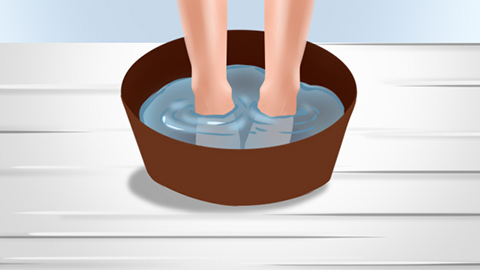
If you develop athlete’s foot, maintaining strict personal hygiene is essential. In severe cases, prompt medical evaluation and treatment are strongly recommended. We hope this information proves helpful to you.