


What Should Be Done for Enlarged Tonsils in Children?

Once a patient develops symptoms of tonsillar enlargement, prompt treatment is essential. In the early stages of the condition, symptoms are typically mild, making treatment relatively straightforward. However, if the disease progresses to an advanced stage, not only does treatment become more challenging, but additional complications may also arise. So, what should be done for children with enlarged tonsils?
Management of Tonsillar Enlargement in Children
Children with enlarged tonsils should drink plenty of water, get adequate rest, enhance their immune function, and adjust their diet accordingly. Since tonsillitis is highly susceptible to infection, increased fluid intake helps alleviate throat pain and facilitates the elimination of various toxins from the body. To boost resistance, children should actively engage in outdoor activities and regular physical exercise, which promotes systemic blood circulation and aids in the removal of metabolic waste. In daily life, children should avoid fried and spicy foods, as fried items may contribute to tonsillar hypertrophy. Consuming ample vegetables and fruits helps clear excess “liver fire” (a traditional Chinese medicine concept referring to internal heat), thereby exerting heat-clearing and detoxifying effects.
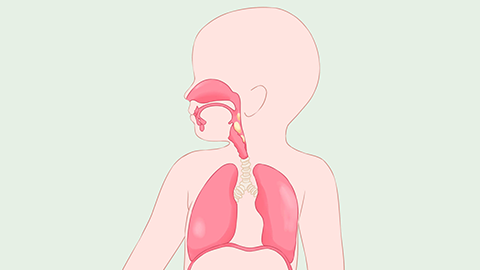
To prevent tonsillitis, patients should take precautions against common colds. They should avoid spicy foods and drink plenty of boiled water. As children enter puberty, symptoms of tonsillitis often gradually subside. In adulthood, if chronic tonsillitis recurs frequently, dietary modifications are crucial—specifically avoiding raw onions, raw garlic, chili peppers, seafood, and alcohol. For adults experiencing recurrent tonsillitis, surgical intervention should be considered as a priority option.
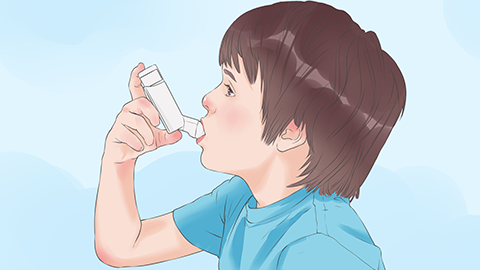
Patients are advised to maintain a balanced diet, engage in regular physical activity, and seek timely medical care upon noticing any disease-related symptoms. We hope this information proves helpful to you.


