


What should I do if my child has recurrent tonsillitis with repeated fevers?

In daily life, children may inadvertently develop a cold or suffer from severe coughing, which can lead to tonsillitis. In more severe cases, tonsillitis may progress to tonsillar enlargement. Although tonsillar enlargement is a common condition, it can cause significant discomfort and distress once it occurs. So, what should parents do when their child experiences recurrent fever due to tonsillitis?
What to Do When a Child Has Recurrent Fever Due to Tonsillitis
Recurrent fever caused by pediatric tonsillitis requires targeted treatment. Since tonsillitis is an inflammatory condition—often resulting from infection—anti-inflammatory therapy is essential. As the fever is infection-related, management of the fever itself must be tailored according to the child’s temperature and may include both physical cooling methods and antipyretic medications. Tonsillitis is primarily caused by infection with hemolytic streptococcus; therefore, antibiotic therapy is indicated. If the fever is mild, encourage the child to drink plenty of warm water, which increases urine output and sweating—both of which help dissipate body heat and lower temperature. If feasible, a warm bath (water temperature ~40°C) lasting approximately 15 minutes may also be beneficial. However, prolonged bathing should be avoided, and care must be taken to keep the child warm afterward to prevent secondary colds or infections. Once the fever has been confirmed as stemming from tonsillitis, treating the underlying tonsillitis becomes paramount. Given that hemolytic streptococcal infection is the most common causative agent, penicillin or cephalosporin antibiotics are appropriate first-line choices.
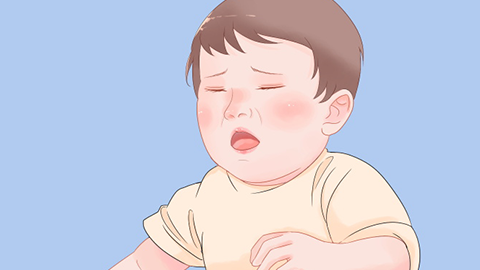
Dietary considerations are equally important for children with tonsillitis. Spicy, greasy, cold, or hard-to-digest foods—such as spicy snacks, rice cakes, and sugary pastries—should be avoided, as they may irritate the gastrointestinal tract and increase digestive burden, thereby impeding recovery from tonsillitis. Following the onset of tonsillitis, children may experience symptoms such as fever, which can further affect gastrointestinal function and reduce appetite. Therefore, the diet should emphasize light, easily digestible foods. This approach not only facilitates nutrient absorption but also alleviates gastrointestinal strain, supporting overall recovery. Concurrently, comprehensive management—including appropriate pharmacotherapy—is recommended to shorten the disease course and promote a swift return to health.
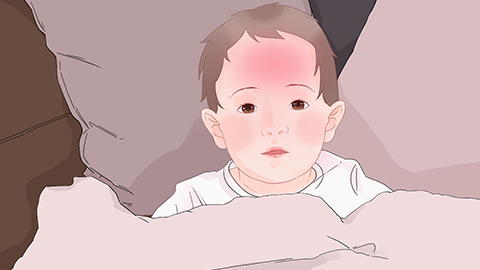
When a child exhibits signs of tonsillitis, parents should seek timely medical evaluation and treatment to avoid delays in diagnosis or worsening of the condition. We hope this information proves helpful.


