


What Causes Drooling from the Corners of the Mouth?
Aug 24, 2022
Source: Cainiu Health

Dr. Yang Jun
Introduction
Drooling from the corners of the mouth may result from excessive salivation or from difficulty swallowing. Drooling in infants is often normal, as their swallowing function is not yet fully developed. In elderly patients, drooling from the corners of the mouth may indicate functional impairment caused by Parkinson’s disease or facial muscle rigidity. Removable dentures may also lead to increased salivary secretion.
I believe everyone has experienced dozing off at a desk. Many people wake up after napping face-down and find themselves drooling. For adults, this can be particularly embarrassing and may negatively affect one’s image. So, what causes drooling from the corners of the mouth?
What Causes Drooling from the Corners of the Mouth?
Drooling from the corners of the mouth may result from excessive salivation (hypersalivation) or from difficulty swallowing (dysphagia). In infants, drooling is often normal, as their swallowing function is not yet fully developed. In elderly patients, drooling from the mouth corners may indicate functional impairment caused by Parkinson’s disease or facial muscle rigidity. Removable dentures may also lead to increased salivary secretion and subsequent drooling. Similarly, malocclusion—such as an open bite or lateral chewing—can contribute to drooling.
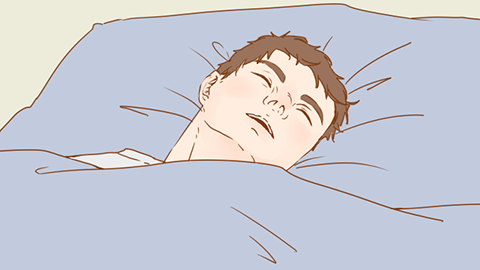
In fact, numerous factors can cause drooling from the corners of the mouth. For instance, patients with facial nerve palsy may drool involuntarily from the affected side of the mouth. Oral ulcers can also trigger drooling. Overactive salivary glands—especially when glandular abnormalities are evident—may similarly result in drooling. Moreover, drooling from the mouth corners can be entirely normal in infants and young children, as their growth and development—including dental development—is still incomplete; teething, for example, commonly causes drooling.
Patients are advised to seek timely medical evaluation and treatment upon noticing such symptoms. We hope this information proves helpful to you.










