


What should I do if I have recurrent high fever due to tonsillitis?

When a baby develops tonsillitis, it is often caused by both psychological stress and infection, which can significantly impact the child’s health. Prompt treatment is therefore essential. Tonsillitis in infants commonly causes sore throat and hoarseness, both of which warrant timely medical intervention. So, what should be done when a child experiences recurrent high fever due to tonsillitis?
What to Do for Recurrent High Fever Due to Tonsillitis
Patients with recurrent high fever from tonsillitis should visit a reputable hospital for a complete blood count (CBC). If the cause is viral infection, antiviral oral solution and Pudilan anti-inflammatory oral solution—along with cefixime—may be prescribed under a physician’s guidance as part of comprehensive treatment. If bacterial infection is confirmed, antibiotics should be administered per medical advice. For fevers below 38.5°C, physical cooling methods—such as tepid sponging—are recommended. For fevers reaching or exceeding 38.5°C, ibuprofen may be used under a doctor’s supervision to reduce fever.
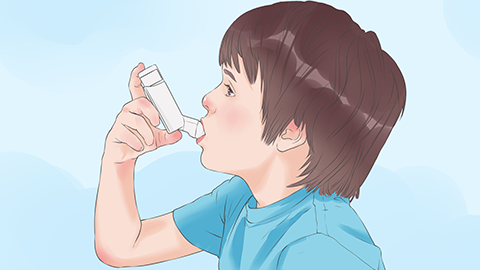
Upper respiratory tract infections are common in clinical practice. Antibiotic therapy is indicated when infection is confirmed, and adequate rest is crucial. For fever management, symptomatic treatment with ibuprofen may be appropriate, along with sufficient hydration and rest. Recurrent tonsillitis accompanied by fever may occasionally trigger acute glomerulonephritis; thus, such cases require careful attention and full-course treatment to prevent complications. Patients with tonsillitis should seek evaluation and treatment in either the Department of Respiratory Medicine or the Department of Otolaryngology. Additionally, nutritional support—including increased intake of vitamin C–rich foods—is advised.
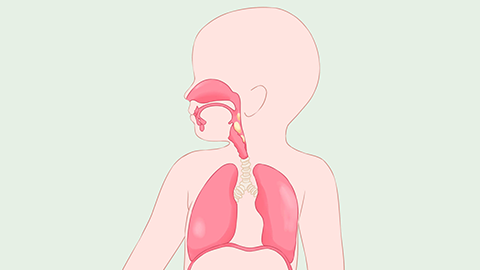
Patients are encouraged to engage in appropriate physical activity and functional exercise, and to seek medical care promptly upon noticing any symptoms. We hope this information proves helpful.


