


Which Is More Harmful: Waking Up Early or Staying Up Late?

Young people often lead irregular lifestyles. They are busy with work during the day and end up doing household chores—tasks that should ideally be completed during daytime hours—in the evening. Over time, this leads to progressively delayed bedtimes. When I go to bed, I usually spend some time looking at my phone. If I frequently stay up late, I notice my physical constitution deteriorating—I fall ill or catch colds more often and suffer accordingly. So, which is more harmful: waking up early or staying up late?
Which Is More Harmful: Waking Up Early or Staying Up Late?
In general, staying up late poses greater health risks. Consistently waking up early is not inherently harmful to the body; however, if it results from chronic sleep deprivation, it may contribute to depression, accelerate aging, and impair memory. Even with regular early rising, insufficient sleep can gradually lead to weight gain. Therefore, ensuring adequate sleep duration is essential. Women, in particular, are more prone to premature aging than men; prolonged sleep deprivation may trigger premature ovarian failure, which can lead to early menopause—and consequently, infertility. Failing to rest adequately during sleep compromises all organ systems and undermines recovery.

The liver is a vital organ. Normally, it detoxifies and metabolizes toxins in the body during nighttime hours. However, staying up late impairs liver function and increases the risk of developing liver disease. Liver disease is extremely serious; without proper hepatic care, long-term sleep deprivation may ultimately progress to cirrhosis. Individuals who stay up late expend substantial energy and require sufficient caloric intake to sustain physical stamina. Nevertheless, it is advisable to avoid consuming greasy foods in the evening.
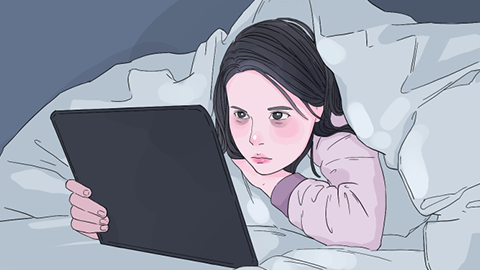
We recommend that individuals avoid staying up late whenever possible, to safeguard their health. We hope this response has been helpful to you.


