


What Causes Tonsillar Enlargement?
Aug 24, 2022
Source: Cainiu Health

Dr. Xu Gang
Introduction
Many cases of tonsillar hypertrophy result from an acute inflammatory condition within the body that triggers this disorder. Acute inflammation causes progressive glandular congestion and the onset of primary symptoms, and may even worsen due to suppuration. At this stage, patients commonly experience symptoms such as dyspnea and produce copious nasal secretions.
The tonsils are a highly important organ and tissue component within the human body. When abnormalities occur—such as tonsillar hypertrophy—they can trigger various uncomfortable symptoms throughout the body. Therefore, in daily life, individuals should not overlook tonsillar hypertrophy and should promptly identify its underlying cause and receive targeted treatment. So, what causes tonsillar hypertrophy?
What Causes Tonsillar Enlargement?
For many individuals, tonsillar hypertrophy stems from an acute inflammatory condition within the body. Acute inflammation leads to progressive glandular congestion and characteristic clinical manifestations; in severe cases, it may even progress to suppuration, worsening the condition. At this stage, patients commonly experience symptoms such as dyspnea (difficulty breathing) and copious nasal secretions. As the disease advances, systemic symptoms—including generalized malaise—may develop. More severe allergic reactions can induce localized edema, ultimately resulting in tonsillar hypertrophy. Typically, patients whose tonsillar enlargement is allergy-related often suffer from other allergic disorders, such as allergic asthma and allergic rhinitis.
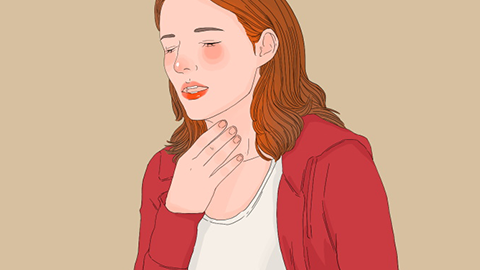
Tonsillar hypertrophy may also result from accidental infection with various bacteria. Bacterial infection is the most common causative factor, with hemolytic streptococci and staphylococci being the predominant pathogens. These bacteria are especially prevalent during cold or highly variable weather conditions. Poor nutritional status or general physical debility in the patient constitutes the primary predisposing factor for this condition.

When tonsillitis occurs, it is recommended to increase fluid intake, ensure adequate rest, consume light and easily digestible foods, eat more vegetables and fruits to boost vitamin intake, include protein-rich foods in the diet, and strictly avoid spicy, irritating, or pro-inflammatory foods. We hope this information proves helpful to you.


