


What should I do if my nose bleeds after being hit?

When the nose is dry, we often feel a dry sensation inside the nostrils. Occasionally, this may cause itching, and scratching or picking the nose with fingers can lead to nasal bleeding. So, what should one do if nasal trauma results in epistaxis (nosebleed)?
What to Do When Nasal Trauma Causes Epistaxis
Nasal trauma-induced epistaxis requires local hemostatic treatment. Gently pinch the soft, fleshy part of one side of the nose (the ala nasi) with both hands, and apply a cold towel to the forehead and occipital region. Additionally, it is essential to visit a hospital for evaluation using electronic nasopharyngoscopy and nasal bone CT imaging to identify the precise bleeding site and assess the extent of injury. Typically, such injuries fall into two categories: (1) nasal mucosal injury, and (2) epistaxis secondary to nasal bone or paranasal sinus fractures. In terms of treatment, isolated mucosal injury may be managed with laser, microwave, or electrocautery coagulation. Alternatively, under medical guidance, erythromycin ointment may be applied externally to the nasal vestibule—this approach often leads to gradual improvement. If nasal bone or paranasal sinus fractures are present, surgical reduction is required. Following reduction, nasal packing and compression are necessary to achieve hemostasis, and recovery proceeds gradually.
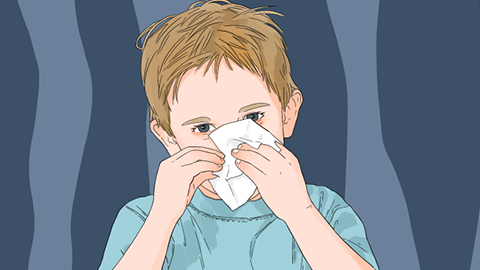
Patients must protect their noses diligently in daily life to avoid external impact that could result in nasal bone fracture. Maintaining nasal mucosal elasticity is also crucial; patients are advised to consume ample fresh vegetables and fruits. Supplementing with vitamin E may help soften mucosa and blood vessels, thereby effectively preventing epistaxis. Particularly during dry seasons, patients must ensure adequate nasal mucosal hydration. Under physician guidance, topical application of saline nasal spray or compound menthol nasal drops can alleviate nasal dryness.
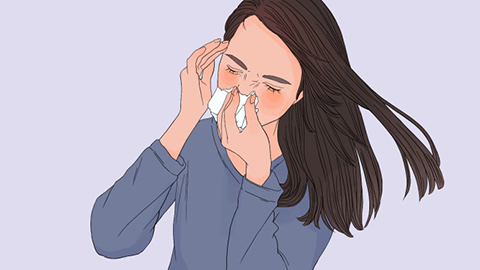
Patients are strongly advised to cultivate the healthy habit of refraining from picking their nose with fingers. Proactive management of underlying conditions significantly reduces the risk of recurrent epistaxis. We hope this information proves helpful to you.


