


What Causes Nosebleeds Upon Waking Up in the Morning?
Aug 24, 2022
Source: Cainiu Health

Dr. Xu Gang
Introduction
Morning epistaxis commonly occurs in winter due to dry weather, which damages the nasal mucosa and leads to bleeding from the anterior portion of the nasal septum. Concurrently, pharmacologic treatment should be administered under physician guidance. If feasible, oral administration of such medications should be temporarily discontinued. Blood pressure should be monitored, and a coronal CT scan of the paranasal sinuses should be performed. Additionally, a complete blood count (CBC) and coagulation profile (including prothrombin time, activated partial thromboplastin time, thrombin time, and fibrinogen level) should be obtained to preliminarily assess the bleeding etiology and rule out hematologic disorders.
Many people experience nosebleeds (epistaxis) in daily life—especially when the bleeding occurs unexpectedly or without an apparent cause, sometimes involving substantial blood loss. Such incidents often provoke fear and anxiety, as individuals worry whether this symptom signals an underlying health problem. This apprehension frequently stems from a lack of understanding about nosebleeds. So, what causes nosebleeds upon waking up in the morning?
What Causes Morning Nosebleeds?
Morning epistaxis commonly occurs during winter, when dry air leads to nasal mucosal injury—particularly at the anterior portion of the nasal septum. Medical evaluation and treatment under a physician’s guidance are essential. If feasible, patients should temporarily discontinue any oral medications that may contribute to bleeding. Blood pressure should be monitored, and imaging studies—including coronal CT of the paranasal sinuses—should be performed. Additionally, a complete blood count (CBC) and coagulation panel (including prothrombin time [PT], activated partial thromboplastin time [aPTT], fibrinogen, and platelet count) should be conducted to preliminarily assess the bleeding etiology and rule out hematologic disorders. In daily life, avoid excessive nasal cleansing or forceful nose-picking; instead, practice proper nasal care, such as applying a nasal moisturizing solution or using a saline nasal spray.
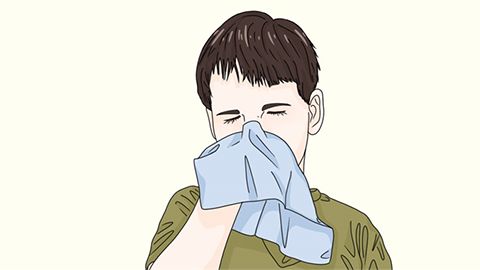
Nosebleeds upon waking may arise from various causes. The most common include nasal dryness and nasal mucosal erosion. Less frequently, they may result from nasal vascular tumors or hemorrhagic nasal polyps. In some cases, nasopharyngeal carcinoma may be the underlying cause; rarely, systemic hematologic conditions—such as thrombocytopenia or leukemia—may be responsible. When recurrent or unexplained epistaxis occurs, consultation with an otolaryngologist is recommended. Laboratory tests—including CBC and coagulation function assays—help screen for hematologic disease. Nasal endoscopy is also advised to directly visualize the nasal cavity and identify potential sources of bleeding. Once the diagnosis is established, targeted therapy can be initiated. During treatment, regular follow-up visits are necessary to monitor therapeutic response and clinical progression.
Patients are encouraged to maintain healthy lifestyle habits to support overall physical and mental well-being. We hope this information proves helpful.


