


What causes nosebleeds from the left nostril?

Some individuals experience recurrent epistaxis (nosebleeds), which can significantly disrupt their daily work and studies. Frequent nosebleeds may indicate an underlying medical condition; therefore, persistent epistaxis warrants timely attention and investigation to identify the root cause. So, what causes epistaxis specifically from the left nostril?
What Causes Epistaxis from the Left Nostril?
Recurrent epistaxis from the left nostril may result from environmental factors such as dry air or nutritional deficiencies. Prolonged exposure to excessively dry environments—such as air-conditioned rooms during summer—can desiccate the nasal mucosa, leading to bleeding. Increasing ambient humidity typically alleviates this issue. Nutritional deficiencies—particularly of trace elements or vitamins—may weaken capillary integrity in the nasal mucosa, making it prone to rupture and recurrent bleeding. Consuming more fruits and vegetables regularly can help mitigate this. Additionally, epistaxis may occur as a complication of systemic conditions such as diabetes or hypertension. While pharmacological management can control these conditions, complete resolution of associated epistaxis is often challenging.

Treat underlying diseases proactively: Frequent epistaxis may stem from primary conditions such as rhinitis or nasal tumors. Prompt diagnosis and effective treatment of these underlying disorders can prevent recurrent nosebleeds and address the symptom at its source. Ensure adequate nutrition: Incorporate vitamin C–rich fruits—including strawberries, grapes, and lemons—into your diet. Vitamin C enhances the body’s natural healing capacity. Also consume fresh vegetables regularly to replenish diverse trace elements.
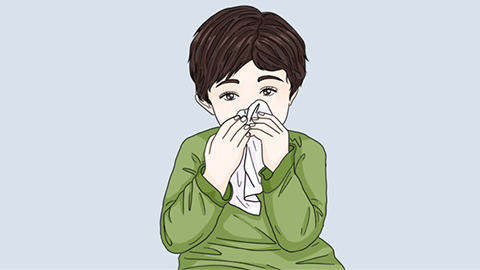
We recommend increasing fluid intake, ensuring sufficient rest, consuming light and bland foods, eating ample vegetables and fruits to boost vitamin intake, and including protein-rich foods in your diet. Avoid spicy, irritating, or inflammation-promoting foods. We hope this information proves helpful.


