


How to Treat Chronic Tinnitus

Tinnitus is a common phenomenon encountered in daily life. However, persistent tinnitus co-occurring with brain noise (a subjective sensation of internal “ringing” or “buzzing” perceived in the head rather than the ears) is relatively rare—especially when it comes to treatment, which often leaves patients confused. So, how should chronic tinnitus and brain noise be treated?
How to Treat Chronic Tinnitus and Brain Noise
Prolonged tinnitus and brain noise may stem from insufficient cerebral blood supply. If this is the underlying cause, immediate oxygen therapy—or supplemental oxygen inhalation—is recommended to alleviate both symptoms. In cases where tinnitus and brain noise are associated with acute otitis media (middle ear infection), severe inflammation may irritate cranial nerves. Levofloxacin may be prescribed for treatment.
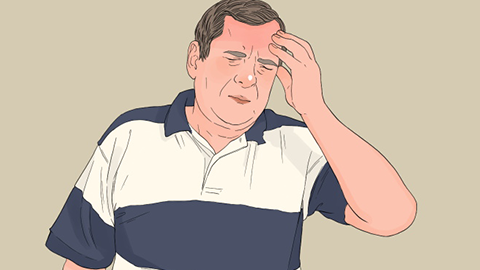
Therefore, upon experiencing tinnitus or brain noise, patients are advised to first undergo a thorough medical evaluation. These symptoms may indicate otitis media requiring anti-inflammatory treatment, or possibly a tumor—such as an acoustic neuroma—or a foreign body obstructing the auditory pathway. Cardiovascular or cerebrovascular disorders may also be contributing factors. Ultimately, if tinnitus and brain noise persist chronically, prompt hospital evaluation is essential to identify the precise etiology and initiate targeted therapy. If fatigue is the trigger, appropriate rest and relaxation are recommended. When systemic diseases are involved, comprehensive management of the underlying condition is necessary. Regular blood pressure monitoring is also advised.

Lastly, patients should prioritize adequate rest, avoid excessive physical or mental exertion, minimize psychological stress, and maintain a relaxed state of mind. We hope this information proves helpful!


