


What Causes Nosebleeds?

You may experience dryness inside your nostrils, sometimes accompanied by itching. Scratching or picking your nose with your fingers in such cases can lead to nasal bleeding. If you experience a nosebleed, remain calm—do not panic. Nosebleeds can be managed effectively through the following five approaches. But first, what causes nosebleeds?
What Causes Nosebleeds?
Nosebleeds (epistaxis) may result from either local nasal disorders or systemic conditions. Local factors include trauma—such as mechanical injury (e.g., repeated nose-picking, nasal foreign bodies, deviated nasal septum, or nasal sinus trauma) or surgical procedures. During surgery, nasal mucosa and blood vessels may be damaged, leading to recurrent epistaxis. Additionally, tumors—both benign and malignant—must be considered. Inflammatory conditions such as rhinitis and nasal tuberculosis are also common causes. In children, selective eating habits and vigorous physical activity are significant contributors to recurrent nosebleeds. Systemic diseases—including cardiovascular disorders, hematologic conditions, acute infectious diseases, and vitamin deficiencies—may also manifest as epistaxis.
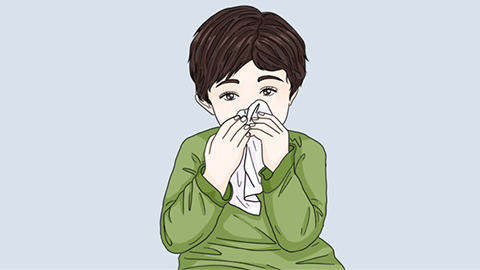
Diet should consist of easily digestible, soft foods; increase intake of fruits and vegetables, and avoid spicy or irritating foods. Maintain regular bowel movements—constipated individuals may take mild laxatives if needed. Elderly patients with epistaxis often have comorbidities such as hypertension, coronary artery disease, or bronchitis; therefore, routine management and treatment of underlying conditions are essential. Treatment must be tailored to the specific cause. Particularly for hypertensive patients, prompt blood pressure control to normal or near-normal levels is critical, along with close monitoring of clinical changes and timely medical consultation.
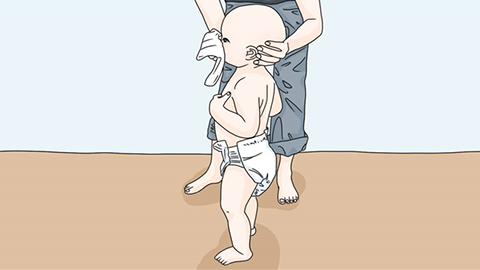
Maintain healthy daily lifestyle and dietary habits. We hope this information proves helpful to you.


