


What foods should be avoided when suffering from tonsillitis?
Aug 24, 2022
Source: Cainiu Health

Dr. Xu Gang
Introduction
Spicy foods, greasy foods, and seafood—especially sweet or salty foods. First, avoid spicy and irritating foods. Patients are advised to avoid onions, ginger, garlic, pepper, and similar foods, as these can easily trigger irritability and exacerbate tonsillar inflammation. Second, patients should avoid fried and greasy foods, which may cause gastrointestinal indigestion.
During tonsillitis, both swallowing and speaking are affected. The symptoms of tonsillar inflammation can cause significant discomfort to patients. To promote the patient’s overall health and facilitate prompt recovery of the tonsils, it is important to avoid certain foods in the diet—this may help alleviate symptoms of tonsillitis to some extent. So, what foods should be avoided during tonsillitis?
Foods to Avoid During Tonsillitis
Spicy foods, greasy foods, seafood—and especially overly sweet or salty foods—should be avoided. First, spicy and irritating foods must be avoided. Patients should refrain from consuming onions, ginger, garlic, pepper, and similar items, as these can easily trigger irritation and exacerbate tonsillar inflammation. Second, patients should avoid fried and greasy foods, which may impair gastrointestinal digestion and promote phlegm accumulation in the throat, thereby hindering recovery from tonsillitis. Seafood should also be avoided, as it may provoke allergic reactions in the pharynx and worsen the condition. Clinically, patients with tonsillitis are advised against consuming foods that are excessively sweet or salty.
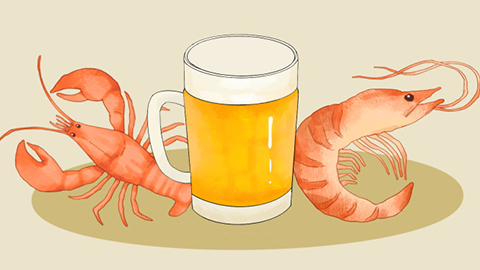
When suffering from tonsillitis, patients should first avoid spicy and irritating foods—such as chili peppers, garlic, mustard, onions, and scallions—as their pungent odors can further irritate the tonsils, worsening swelling and pain. Patients should also avoid fried or smoked foods during tonsillitis, as these impede disease recovery. Additionally, overly salty or sweet foods should be avoided, since strong seasonings place extra strain on the tonsillar mucosa and aggravate discomfort.
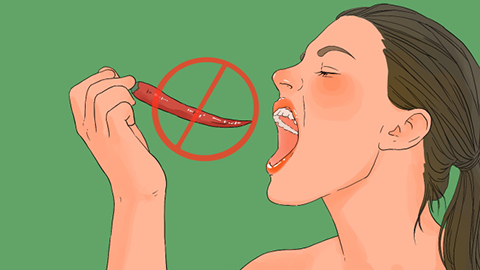
Patients should avoid barbecued foods, greasy foods, fishy-smelling foods, spicy and irritating foods, cold or frozen foods, as well as tobacco and alcohol. We hope this information proves helpful.


