


What foods can help reduce “internal heat” in children with nosebleeds?

For children experiencing epistaxis (nosebleeds), it is essential to avoid spicy foods—such as fried foods, seafood, and baked goods—in daily life, as these may exacerbate the severity of nosebleeds. Children who experience recurrent epistaxis should visit a hospital for a thorough evaluation to rule out underlying pathological causes. So, what foods can help reduce “excess heat” (a traditional Chinese medicine concept associated with inflammation or hyperactivity) in children with nosebleeds?
What Foods Help Reduce “Excess Heat” in Children with Nosebleeds?
Children with nosebleeds may benefit from consuming cooling, heat-clearing foods rich in vitamins and dietary fiber—such as pears, starfruit, bitter melon, and celery—which can alleviate epistaxis symptoms and improve constipation. Drinking mung bean soup regularly is also recommended, as it possesses heat-clearing, detoxifying, thirst-quenching, summer-heat-relieving, and easily digestible properties. Under a physician’s guidance, heat-clearing and detoxifying medications—such as Heat-Clearing and Toxin-Resolving Oral Liquid, Pediatric Lung-Clearing and Phlegm-Resolving Oral Liquid, or Pediatric Heat-Clearing and Cough-Relieving Oral Liquid—may be considered. However, children with spleen-stomach deficiency should use such medications cautiously to avoid further impairing digestive function.
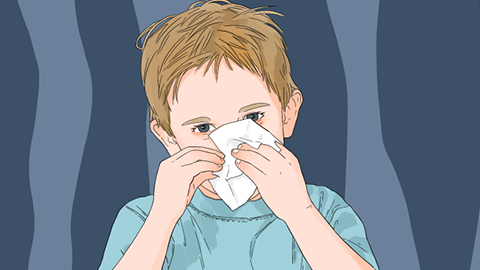
The most common cause of epistaxis in children is dryness and erosion of the nasal mucosa. In such cases, home management may involve gently packing the nostrils with clean cotton balls to control bleeding. If bleeding is severe or rapid, prompt medical evaluation is necessary to identify active bleeding sites; subsequent treatment options may include laser cauterization or cryotherapy. Nasal lubricants—such as topical mentholated paraffin oil—may also be applied to moisturize the nasal passages. When recurrent epistaxis persists over time and is accompanied by anemia, hematologic evaluation is warranted to assess for underlying blood disorders, followed by targeted therapy.

Dear parents: Dietary interventions alone are insufficient. If disease-related symptoms are observed, timely medical consultation is crucial. We hope this information proves helpful to you.


