


What Causes Unilateral Nosebleeds?

In real life, many individuals experience epistaxis (nosebleeds), causing significant psychological distress. This condition is also highly detrimental to overall health; its potential harm must not be underestimated, and prompt treatment is essential—especially when the condition is still in its early stages. So, what causes unilateral nosebleeds?
Causes of Unilateral Nosebleeds
The most common cause of unilateral epistaxis is nasal dryness, which leads to recurrent rupture of nasal blood vessels and subsequent bleeding. Nasal inflammation can also result in unilateral nosebleeds. More frequently, anatomical alterations—such as a deviated nasal septum—may cause recurrent unilateral epistaxis. Additionally, nasal tumors—including benign lesions like nasal hemangiomas and, less commonly, malignant tumors—can lead to unilateral epistaxis.

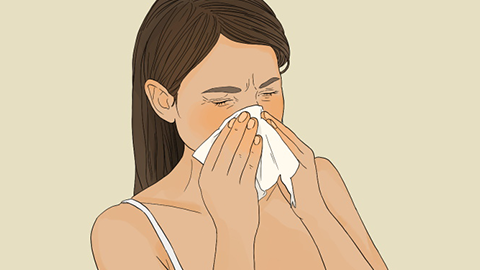
First, patients should quickly calm themselves psychologically and sit upright in a suitable environment, ideally placing a basin beneath the nose to collect blood. Simultaneously, using the index finger of the affected side, gently press the ala (nostril wing) of the bleeding nostril against the nasal bridge to apply pressure and attempt to stop the bleeding. Second, patients are advised to keep a supply of sterile cotton balls or gauze readily available. Once bleeding has diminished, these may be inserted into the nasal cavity to help achieve effective hemostasis. However, if unilateral epistaxis persists despite these measures—or if it is accompanied by marked nasal pain—prompt medical evaluation is necessary.
In daily life, consume plenty of fruits and vegetables, along with “heat-clearing” foods such as bitter melon and mung bean soup, and maintain adequate hydration. We hope this information proves helpful to you.


