


What Are the Causes of Frequent Nosebleeds Recently?

Recently, nosebleeds have occurred spontaneously—regardless of time, location, or setting—causing significant distress. What, then, are the possible causes of frequent nosebleeds?
What Causes Frequent Nosebleeds?
Frequent nosebleeds can stem from either local or systemic factors. Local causes include: First, trauma—the most common cause. Both external nasal trauma and internal nasal injury can lead to epistaxis. Second, nasal foreign bodies. Third, specific or non-specific inflammatory conditions affecting the nasal cavity and sinuses. Fourth, benign nasal tumors (e.g., hemangiomas) or malignant nasal tumors. Other local conditions include septal abnormalities such as deviated nasal septum, septal mucosal erosion, septal perforation, and atrophic rhinitis.
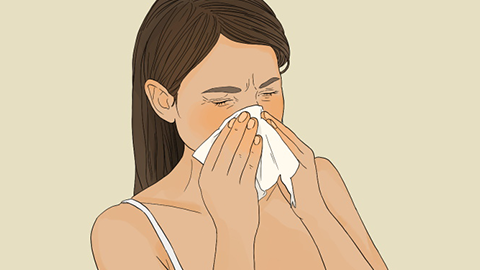
Systemic causes may include acute febrile infectious diseases—for example, hemorrhagic fever, influenza, measles—as well as hypertension, heart failure, platelet disorders (abnormal quantity or function), hemophilia, leukemia, hepatic or renal dysfunction, and rheumatic fever. Nosebleeds may also occur during menstruation or pregnancy in women. Deficiencies in certain nutrients—such as vitamin K or calcium—can likewise predispose individuals to epistaxis. Thus, numerous potential causes exist.

Recurrent nosebleeds may lead to complications such as anemia. We recommend consulting a healthcare provider for a thorough evaluation to determine the underlying cause. If bleeding originates from the nasal mucosa, laser therapy may be appropriate; if it results from a hematologic disorder, pharmacologic treatment may be required. In daily life, maintain a light, bland diet and avoid spicy, irritating, or “heat-inducing” foods. We hope this information proves helpful!


