


Under what circumstances do people experience nosebleeds?

Nosebleeds (epistaxis) are relatively common in daily life. When they occur, people often feel anxious and unsure of the cause. So, under what circumstances do nosebleeds happen?
When Do Nosebleeds Occur?
Nosebleeds may occur due to conditions such as rhinitis, “excess internal heat” (a traditional Chinese medicine concept), or capillary rupture. Rhinitis can easily lead to nasal bleeding. Similarly, “excess internal heat” is also a frequent cause—primarily resulting from dryness and heat in the lungs and nasal cavity, leading to “blood heat.” Capillary rupture due to insufficient vascular resilience may also cause bleeding. In such cases, it is advisable to consume more fruits and vegetables and drink plenty of water. Avoid spicy and irritating foods, which may exacerbate internal heat. Additionally, certain hematologic disorders can predispose individuals to recurrent nosebleeds.
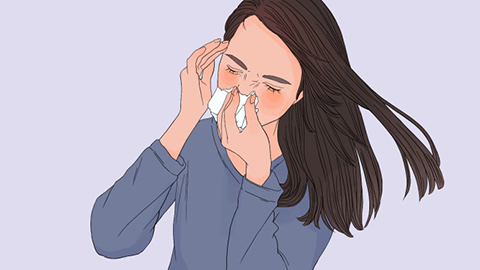
If a nosebleed occurs, sit upright and lean slightly forward—do not tilt your head backward. Apply firm pressure with your thumb and index finger to the soft part of the nose (the nasal alae) for 10–15 minutes; this is effective for anterior nasal bleeding. Seek prompt evaluation by an otolaryngologist (ENT specialist). Following clinical assessment, routine blood tests—including a complete blood count (CBC) and coagulation profile—may be performed to rule out underlying hematologic disorders. If a hematologic condition is identified, targeted treatment is required. Nasal endoscopy is also recommended to precisely locate the bleeding site within the nasal cavity. In rare cases involving severe or persistent hemorrhage, endoscopic electrocautery may be necessary.
If nosebleeds are frequent, prolonged, or severe, medical evaluation at a hospital is strongly advised. We hope this information is helpful.


