


How to relieve persistent tinnitus

It is believed that many people experience tinnitus. Due to persistent or intermittent tinnitus, patients often become highly agitated and anxious. These negative emotions can exacerbate tinnitus symptoms, creating a vicious cycle. Tinnitus may also lead to hearing loss. So, how can persistent tinnitus be alleviated?
How to Alleviate Persistent Tinnitus
Persistent tinnitus can be relieved through techniques such as breath-holding combined with focused attention, rubbing the index fingers together, listening to music, or adjusting daily routines. Tinnitus and related symptoms pose significant risks to one’s health; if left unaddressed, they may rapidly impair neurological function. However, several self-management strategies exist. For instance, when tinnitus occurs, patients can immediately hold their breath and concentrate, then rapidly rub their palms together approximately 30 times until warm, and press the warm palms firmly against both ears. Repeating this process several times daily for consecutive days may help control tinnitus symptoms—though calmness and relaxation should be maintained throughout.
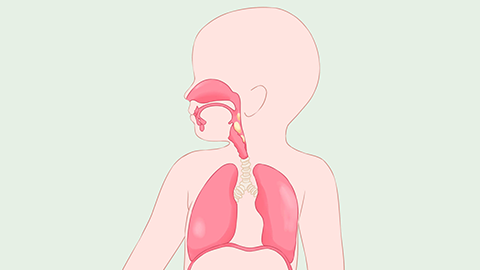
When tinnitus arises, patients may also try breath-holding techniques. First, calm the mind, then inhale deeply, close the mouth, and gently occlude both nostrils with the index and middle fingers while attempting to exhale gently against the closed airway—this creates gentle pressure that may “pop” the Eustachian tubes and produce a rumbling sensation in the ears. Repeating this maneuver several times daily may help alleviate tinnitus. Alternatively, masking the tinnitus sound with external noise can be effective—for example, playing相声 (Chinese comedic storytelling) or music on a smartphone at a volume slightly louder than the perceived tinnitus, for several sessions per day. With consistent practice over time, tinnitus symptoms may gradually subside.
Patients are advised to maintain regular daily routines, ensure adequate and consistent sleep, monitor and manage tinnitus triggers, regulate emotional responses, and cultivate healthy lifestyle habits.We hope this information is helpful to you.


