


What should I do if my nosebleed is caused by broken capillaries?

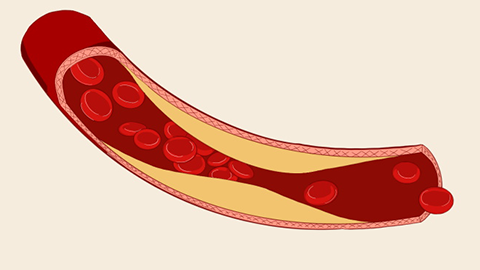
Capillary rupture is a common skin condition, also known as telangiectasia, and colloquially referred to as “visible red blood vessels.” This condition most frequently occurs on the face, though it may occasionally appear on the trunk. In most cases, it is acquired rather than congenital. Following capillary rupture, the affected skin area becomes visibly reddened. So, what should one do if capillary rupture causes epistaxis (nosebleeds)?
What to Do for Epistaxis Caused by Capillary Rupture
If capillary rupture leads to epistaxis, begin by gently packing the nasal cavity with a clean cotton ball—this may help control or alleviate active bleeding. However, patients experiencing active or recurrent epistaxis require prompt medical evaluation at a hospital. Nasal endoscopy can precisely identify and localize the bleeding site, enabling targeted interventions such as electrocautery or radiofrequency ablation for hemostasis. Alternatively, nasal packing with gauze may be employed. For patients with excessively dry and congested nasal mucosa, traditional Chinese herbal medicines with heat-clearing and dampness-drying properties—such as Yiqing Capsules—may be prescribed as appropriate.

Capillary rupture may result from climatic and environmental factors. For instance, prolonged residence in high-altitude or oxygen-deficient regions places the skin in a chronic state of hypoxia. This not only triggers an increase in red blood cell count but also induces compensatory vascular dilation. Over time, vascular contractility deteriorates, leading to permanent telangiectasia.
Patients are advised to seek timely medical evaluation and treatment upon noticing symptoms. We hope this information proves helpful to you.


