


Can “internal heat” in babies cause nosebleeds?

As the weather becomes drier, people’s irritability tends to increase, and nosebleeds become more common. Many individuals are puzzled by epistaxis—they don’t understand why blood suddenly begins flowing from their nose. Overwhelmed by fear and uncertainty about how to respond, they often instinctively cover the nose with their hands. If this is the first episode of bleeding, proper management is essential; otherwise, complications may become severe. So, can “excess internal heat” (a traditional Chinese medicine concept) in infants cause nosebleeds?
Can “Excess Internal Heat” in Infants Cause Nosebleeds?
Yes, “excess internal heat” in infants may contribute to nosebleeds. In traditional Chinese medicine, “heat” reflects imbalances such as inadequate nutrition, insufficient fluid intake, or poor digestion. Dry nasal mucosa—often resulting from dehydration, excessive consumption of high-calorie sweets, or high-fat fried foods—can lead to malnutrition, indigestion, abdominal distension, and constipation. These conditions further exacerbate nasal mucosal dryness, increasing susceptibility to cracking and subsequent rupture of capillaries in the nasal mucosa, manifesting clinically as epistaxis.

Inappropriate dietary habits—particularly low intake of fresh vegetables and fruits—may result in insufficient vitamin intake, compromising the integrity and nutritional support of nasal capillaries. This predisposes the nasal mucosa to capillary rupture and subsequent epistaxis. Beyond dietary factors, certain systemic diseases may also cause infantile nosebleeds. For example, hematologic disorders—including aplastic anemia, leukemia, and immune thrombocytopenic purpura—can lead to epistaxis in infants. Similarly, coagulation disorders or renal dysfunction in children may also contribute to recurrent nosebleeds.
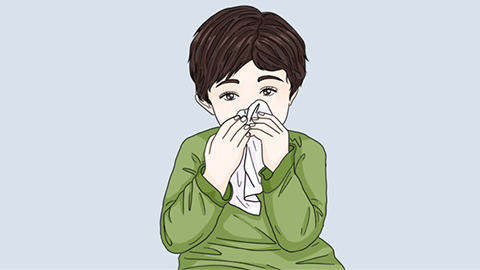
When an infant experiences epistaxis, it is crucial to promptly identify the underlying cause and initiate appropriate treatment. We hope this information has been helpful.


