


What should I do if my tonsils hurt and I can’t sleep?
Aug 24, 2022
Source: Cainiu Health

Dr. Xu Gang
Introduction
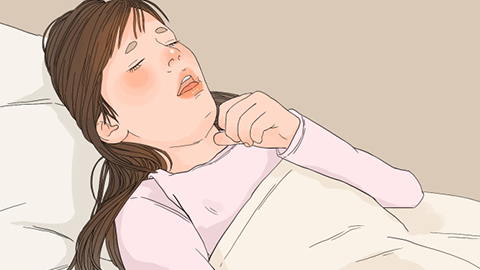
If a patient is unable to sleep due to tonsillar pain, applying an ice pack to the neck for cold compression can help alleviate the discomfort. This method is simple and practical, suitable for most patients. However, if the patient experiences severe pain clinically, it is essential to examine whether localized suppuration or abscess formation is present around the tonsils. In such cases, intensified anti-inflammatory treatment—combined with antibiotics—is warranted.
When the body is excessively fatigued, lacks adequate physical activity, or suffers from malnutrition, the tonsils’ defensive capacity declines, allowing large numbers of bacteria and viruses to invade them—ultimately leading to tonsillitis. Dietary considerations are especially important during tonsillitis. So, what should you do if tonsil pain prevents you from sleeping?
What to Do When Tonsil Pain Disrupts Sleep
If a patient cannot sleep due to severe tonsil pain, applying an ice pack to the neck for cold compress therapy may help alleviate discomfort. This simple, practical method is suitable for most patients. However, if clinical pain is particularly intense, it is essential to examine whether localized suppuration or abscess formation has occurred around the tonsils. In such cases, intensified anti-inflammatory treatment—including antibiotics—is warranted. Clinically, only when inflammation is adequately controlled can local inflammatory responses in the tonsils subside and the patient’s discomfort be effectively relieved. Patients are advised to gargle with warm saline solution or compound tinidazole mouthwash; repeated gargling helps remove surface secretions from the tonsils, thereby reducing tonsillitis symptoms—with noticeable therapeutic effect.
In addition to pharmacological treatment for tonsillitis, dietary adjustments are crucial. Consuming moderate amounts of pears and kumquats may help suppress coughing and soothe the throat. Avoid dry, spicy, or otherwise irritating foods; instead, drink plenty of rice water and mung bean soup to maintain hydration. Gargling with physiological saline is also beneficial. Patients should maintain regular daily routines and adequate rest, and increase fluid intake. Recovery typically occurs within approximately one week.

Patients experiencing symptoms of tonsillitis should seek prompt medical attention to prevent disease progression. We hope this information proves helpful to you.


