


Can Kidney Deficiency Cause Nosebleeds?

From the perspective of Traditional Chinese Medicine (TCM), kidney deficiency arises from an imbalance between yin and yang. Men commonly present with kidney yang deficiency, whereas women typically exhibit kidney yin deficiency. Regardless of the type, kidney deficiency exerts profoundly adverse effects on health. There are numerous potential causes of kidney deficiency in men. So, can kidney deficiency cause epistaxis (nosebleeds)?
Can Kidney Deficiency Cause Epistaxis?
Kidney deficiency does not directly cause epistaxis. Nosebleeds usually result from thrombocytopenia, coagulation disorders, or nasal mucosal dryness and internal heat (“fire”). While kidney deficiency may lead to a range of systemic symptoms—such as back pain, general fatigue, and lumbago or knee pain—in women it may also manifest as cold uterus syndrome and infertility. Epistaxis occurring in such cases is more likely attributable to rhinitis or sinusitis rather than kidney deficiency itself.
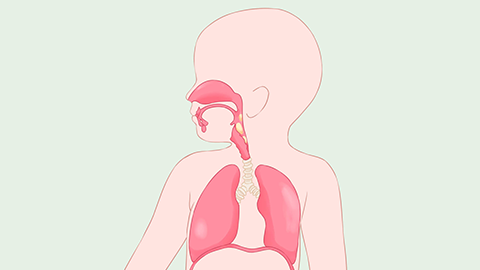
Epistaxis is a common condition caused by rupture of blood vessels in the nasal mucosa and can impact overall health. If recurrent or prolonged, it may eventually lead to anemia. Patients should seek medical evaluation at a hospital for thorough diagnostic assessment to identify the underlying cause. If the bleeding originates from nasal vascular rupture, laser therapy is often the preferred treatment. Individuals experiencing epistaxis should promptly consult a healthcare provider to determine the precise etiology and receive targeted therapy.

During treatment, patients should maintain a light, bland diet, ensure adequate rest, avoid strenuous physical activity and spicy foods, and abstain from smoking and alcohol consumption—all of which significantly support recovery. We hope this information proves helpful to you.


