


Why is pharyngitis-associated cough worse at night?

Prepare some warm water—not too hot—and a towel. Apply a hot water bottle or warm towel to the back. Heat application to the back helps dilate the nasal passages of the upper respiratory tract, trachea, and lungs, accelerates systemic blood circulation, and enhances metabolic activity.
Why does pharyngitis cause more severe coughing at night?
Patients with pharyngitis may prepare some warm water—not excessively hot—or use a towel with a hot water bottle or warm compress applied to the back. As noted above, heat application to the back promotes dilation of the nasal passages in the upper airway, trachea, and lungs; improves blood circulation; and boosts metabolism. One reason for intensified nocturnal coughing is increased vagal nerve activity during sleep, which readily triggers the cough reflex—especially in patients with pharyngitis. Additionally, bedding (sheets and blankets) and indoor environments often harbor large numbers of dust mites, particularly at night.
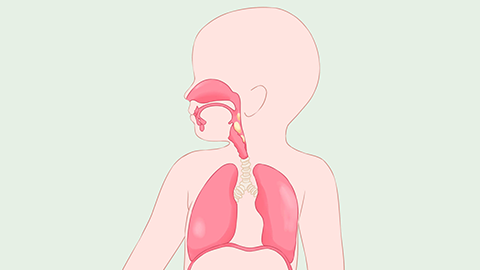
When inhaled through the nose and pharynx, these allergens can easily provoke an allergic reaction in the throat, leading to throat itching and dry cough—commonly observed in allergic pharyngitis. Alternatively, conditions such as reflux gastritis or gastroesophageal reflux disease (GERD) may be present. In such cases, gastric acid reflux into the pharynx causes a foreign-body sensation and associated symptoms including coughing. In summary, if a patient experiences recurrent nighttime coughing,
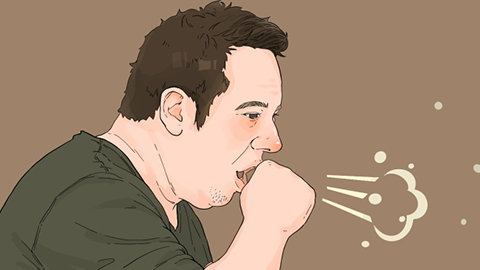
it is advisable to consult relevant specialty departments—such as Otolaryngology (ENT) or Gastroenterology—for comprehensive evaluation and targeted treatment to identify and address the underlying cause. We hope this information is helpful to you.


