


What are the risks associated with tonsillar hypertrophy?

Once a patient develops tonsillar enlargement, prompt treatment is essential. In the early stages of the condition, symptoms are mild and treatment is relatively straightforward. However, if the disease progresses to an advanced stage, treatment becomes more challenging and may lead to additional complications. So, what are the potential harms of tonsillar enlargement?
What Are the Harms of Tonsillar Enlargement?
The most immediate harm of tonsillar enlargement is obstruction of the pharynx, which impairs both breathing and swallowing. In children, the primary manifestations include labored breathing and snoring, which can significantly disrupt nighttime sleep. In severe cases, airway obstruction may lead to asphyxia, resulting in cerebral hypoxia that adversely affects growth and development. This may cause characteristic facial changes such as upward-turned lips and protruding teeth. In extreme cases, chronic tonsillar enlargement—often accompanied by adenoid hypertrophy—can contribute to “adenoid facies.” Furthermore, enlarged tonsils reduce the size of the pharyngeal cavity, making it difficult to swallow larger food particles. This compromises nutritional intake and may lead to weight loss in affected children.
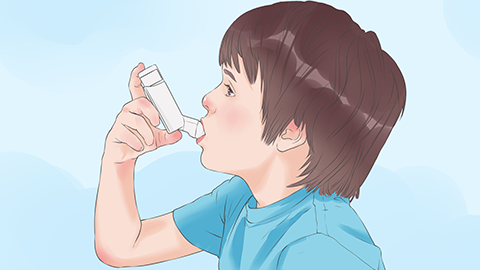
Tonsillar enlargement can be managed through general supportive measures and pharmacological treatment. It is clinically classified as mild, moderate, or severe. Mild enlargement typically requires no specific intervention; instead, patients should focus on routine self-care—adequate rest, increased fluid intake, and regular saline gargling—to alleviate symptoms and reduce swelling. For moderate enlargement, oral anti-inflammatory medications are recommended. If the enlargement is triggered by a common cold, appropriate cold remedies should also be administered. Additionally, a nutrient-rich diet is advised to bolster the body’s immune defenses. In cases of severe tonsillar enlargement accompanied by fever, hospital evaluation and monitoring are warranted.
Patients with tonsillar enlargement are advised to avoid smoking and alcohol consumption, engage in regular physical exercise, and consume more alkaline foods. We hope this information proves helpful.


