


Why Do Men Frequently Experience Nosebleeds?

For the sake of their health, elderly individuals should practice daily health maintenance—engaging in regular physical exercise, ensuring adequate and nutritious meals, avoiding late-night activities, maintaining a positive mood, and attending to overall wellness. Some elderly people experience bleeding, and epistaxis (nosebleeds) in older adults can stem from numerous causes; however, most are unaware of the specific underlying reasons. So, what could be causing recurrent nosebleeds in older men?
What Causes Recurrent Nosebleeds in Older Men?
Recurrent nosebleeds in older men may result from excessive stomach heat, excessively dry air, or nasal disorders. As immunity declines and various organs age, elderly individuals become more susceptible to malignant tumors affecting multiple organ systems—including hematologic malignancies. Distant metastasis from malignant tumors causing severe internal organ damage—or advanced hematologic disease—can both lead to epistaxis. Additionally, if ambient air is overly dry and fluid intake is insufficient, nosebleeds may worsen. Excessive internal “heat” (a concept in Traditional Chinese Medicine referring to inflammatory or hypermetabolic states) can also trigger epistaxis. If dry air is the cause, increasing daily water intake and maintaining appropriate indoor temperature and humidity levels can help prevent recurrence. Nasal trauma—such as a blow to the nose—may injure local mucosal tissue, resulting in epistaxis; in severe cases, nasal bone fractures may occur.

Excessive stomach heat significantly impairs patient health, manifesting as systemic discomfort, feverish sensations, and exacerbation of general malaise—even precipitating sudden epistaxis. Epistaxis caused by excessive stomach heat typically presents with bright red blood. Following an episode, patients may develop complications such as dry mouth and headache.
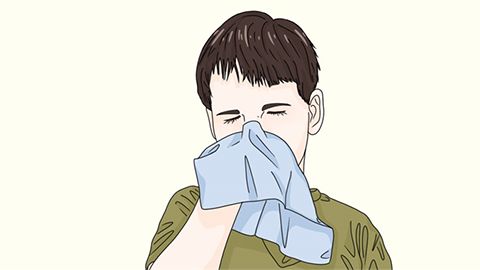
In terms of diet, it is advisable to drink ample water, consume abundant vegetables and fruits, and limit intake of foods that provoke irritability or exert stimulatory effects. Attention should also be paid to weather changes: during the cold winter and spring months, staying warm, minimizing outdoor exposure, and reducing contact with cold air are recommended. Moreover, forceful nose-blowing should be avoided during upper respiratory infections. We hope this information proves helpful to you.


