


What does frequent nosebleeds indicate?
Aug 24, 2022
Source: Cainiu Health

Dr. Xu Gang
Introduction
Frequent nosebleeds (epistaxis) may result from either local or systemic factors. If the nosebleed occurs only briefly, it is generally not a serious concern. In most cases, bleeding is likely due to erosion of the nasal mucosa caused by dryness. The volume of bleeding is typically neither large nor rapid, and most patients can stop the bleeding spontaneously using clean cotton balls or tissue paper at home.
Besides anger, numerous other factors can cause epistaxis (nosebleeds), including sinusitis, nasal polyps, snoring, febrile illnesses, hematologic disorders, rhinitis, and other abnormalities. So, what does frequent nosebleeding indicate?
What Does Frequent Nosebleeding Indicate?
Frequent epistaxis may result from either local or systemic causes. If the nosebleed occurs only briefly, it is generally not a serious concern. In most cases, bleeding is attributable to erosion of the nasal mucosa caused by dryness. The volume of blood loss is typically small and not sudden; most patients can achieve spontaneous hemostasis. At home, clean cotton balls or tissue paper can be gently inserted into the affected nostril to apply pressure and control bleeding. However, patients experiencing acute or persistent bleeding should seek medical evaluation to identify any active bleeding sites.
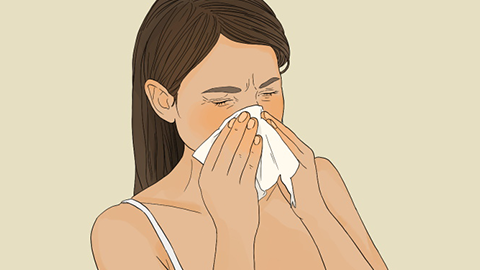
The most common cause of epistaxis is dryness and subsequent erosion of the nasal mucosa. Bleeding is usually mild and often stops spontaneously. Effective home management includes packing the nostril with clean tissues or cotton balls and applying gentle pressure. If recurrent epistaxis is accompanied by symptoms of varying degrees of anemia, blood tests are warranted to rule out underlying hematologic disorders. Nasal mucosal lubrication can be maintained using topical agents such as menthol oil drops, and nasal irrigation with normal saline or isotonic seawater solution is also beneficial. Patients should avoid strenuous physical activity and ensure adequate indoor air circulation and humidity.

Treatment options—including targeted medications or surgical intervention—depend on the specific findings from clinical evaluation. We hope this information is helpful to you.


