


What Should You Do If You Experience Tinnitus After a Head Injury?

Most tinnitus patients perceive sounds such as “buzzing” or “cricket-like chirping,” along with other types of noise, which may originate in the ear or the brain. These sounds can cause physical discomfort and interfere with daily life. In severe cases, hearing loss may even occur. So, can tinnitus develop after a head injury?
Tinnitus Following Head Trauma
Tinnitus occurring after a head injury warrants prompt medical evaluation, including a cranial CT scan. Tinnitus following head trauma is a common issue among patients and is termed “traumatic tinnitus.” Its underlying cause is physical trauma: the middle or inner ear structures may be damaged—or even the eardrum perforated—when the head sustains a strong impact, potentially triggering tinnitus.
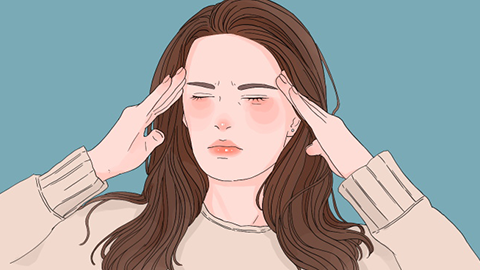
Tinnitus frequently occurs shortly after head trauma but often resolves spontaneously within a short period. However, if tinnitus persists for an extended duration, it may indicate damage to the eardrum. In such cases, a cranial CT scan is recommended to assess for intracranial hemorrhage or hematoma. Additionally, patients should avoid noisy environments and maintain a positive outlook. Typically, brief tinnitus may occur immediately after head impact; although auditory sensations may be present, recovery is usually rapid. Persistent tinnitus, however, may signal eardrum injury—and possibly concomitant head injury. Physicians recommend a cranial CT scan to evaluate the extent of injury, including potential skull fractures or intracranial bleeding; if such abnormalities are identified, several days of rest are advised to facilitate recovery.
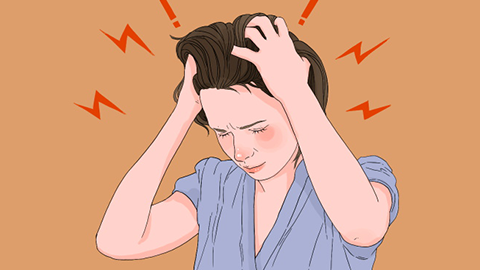
For tinnitus caused by head trauma, patients should seek medical evaluation at a hospital. We hope this information has been helpful.


