


Can tonsillar abscesses heal spontaneously?

Tonsillar sepsis encompasses general supportive measures, including rest, increased fluid intake, and a light diet. During the suppurative phase, treatment may involve medications—such as penicillin-based anti-inflammatory agents, traditional Chinese herbal formulas for clearing heat and detoxifying, soothing the throat and nourishing the pharynx—as well as acupuncture and frequent gargling.
Can tonsillar abscess heal spontaneously?
Tonsillar abscess rarely resolves spontaneously. Prompt medical consultation is strongly recommended. In cases of very mild illness, some patients may recover without medication. However, most patients experience fever, sore throat, and possibly dyspnea, dysphagia, or difficulty eating. With severe symptoms, recovery typically requires anti-inflammatory and antibiotic therapy; spontaneous resolution is unlikely without treatment. Patients should visit an otolaryngology (ENT) department for professional evaluation and physician-guided anti-inflammatory and anti-infective management. If recurrent tonsillar abscesses occur, surgical removal (tonsillectomy) may be considered 2–3 weeks after inflammation has fully subsided.
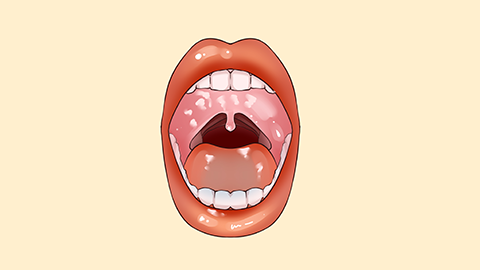
In rare instances where the suppurative symptoms are mild and the affected area is small—even if the patient’s overall condition is relatively severe—the pus may gradually resolve, allowing for spontaneous recovery in a minority of cases. Nevertheless, the presence of purulent tonsillitis indicates a significant infection, commonly caused by hemolytic streptococcus. The likelihood of spontaneous resolution is extremely low, and antimicrobial therapy is essential. Failure to promptly control the infection may lead to complications such as acute glomerulonephritis—a well-recognized sequela of tonsillar infection.

In daily life, patients should maintain adequate hydration and avoid spicy or irritating foods. We hope this information is helpful to you.


