


What Causes Tinnitus When Wearing Earplugs?

There are many causes of tinnitus and aural fullness (a sensation of ear blockage). When these symptoms result from insufficient cerebral blood supply, improving circulation—through dietary adjustments or medications such as Longdan Xiegan Wan (Gentiana Decoction to Drain the Liver)—may help alleviate the condition. But what causes tinnitus accompanied by aural fullness?
What Causes Tinnitus Accompanied by Aural Fullness?
In daily life, frequent use of headphones and earplugs is a common trigger for tinnitus. The primary causes of tinnitus include excessive work stress, anxiety, irritability, chronic sleep deprivation, and prolonged exposure to headphones or earplugs. These factors can damage the hair cells in the inner ear and cochlea, disrupt cellular permeability, and impair auditory nerve conduction—ultimately leading to tinnitus. Therefore, when tinnitus occurs, it’s essential to actively avoid known triggers, including fatigue, anxiety, anger, and headphone or earplug use. Avoiding these triggers typically leads to gradual improvement in tinnitus symptoms. If recovery is slow, pharmacological treatment may be used as an adjunct.

Wearing earplugs seals off the external auditory canal, creating a confined space that readily alters middle ear pressure—potentially triggering tinnitus. In severe cases, prolonged negative pressure may cause persistent retraction (inward displacement) of the tympanic membrane, middle ear inflammation, and tympanic membrane hyperemia (congestion). These changes can produce a sensation of ear fullness or muffled hearing, accompanied by tinnitus and even hearing loss. Patients are advised to limit earplug use and regularly disinfect earplugs to prevent external otitis.
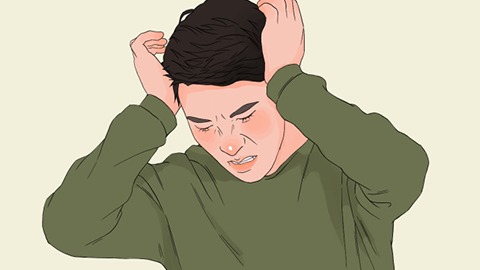
Patients may apply ciprofloxacin otic drops to reduce local inflammation. Techniques such as nasal compression combined with Valsalva maneuver (gentle nose-blowing while holding the nostrils closed) may help relieve tympanic membrane retraction. With prompt and appropriate treatment, clinical outcomes are generally favorable. We hope this information is helpful to you.


