


What causes nausea and vomiting upon waking up in the morning?

Frequent dry heaving and vomiting can damage the stomach and esophagus, causing harm to the body and negatively affecting mood to some extent. Therefore, only by understanding the underlying causes of recurrent dry heaving and vomiting can we effectively alleviate and treat these symptoms. So, what causes nausea and vomiting upon waking in the morning?
What Causes Nausea and Vomiting Upon Waking in the Morning?
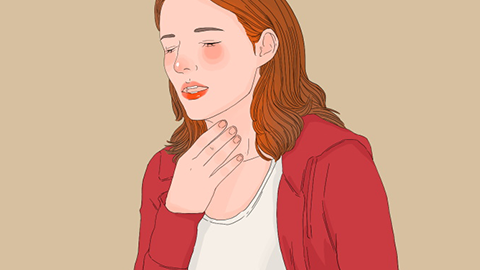
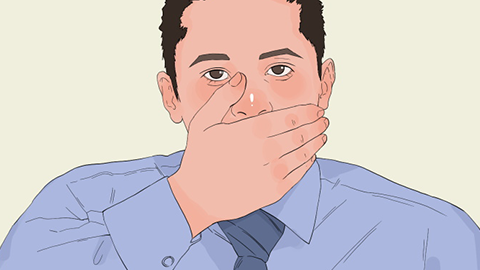
Nausea and vomiting upon waking may indicate pharyngitis. Pharyngitis can trigger frequent dry heaving and vomiting; patients with this condition commonly experience such symptoms—particularly upon waking and while brushing teeth—when these symptoms become especially pronounced. At such times, patients should drink plenty of warm water, consume light, easily digestible foods, and abstain from smoking and alcohol, all of which can help effectively relieve dry heaving and vomiting. When necessary, medications may be prescribed to alleviate these symptoms. Gastroesophageal reflux disease (GERD)–related inflammation is another potential cause of frequent dry heaving and vomiting. GERD occurs when gastric or duodenal contents flow backward into the esophagus. When the lower esophageal sphincter becomes relaxed or when refluxed contents irritate the esophageal mucosa, patients may experience recurrent dry heaving and vomiting.
Chronic gastritis may also lead to dry heaving and vomiting. This occurs because chronic gastritis disrupts the functional balance of the pyloric vasculature. When ingested food reaches the pylorus—which remains closed—the resulting increase in intragastric pressure stimulates the brain’s vomiting center, triggering dry heaving and vomiting. If dry heaving and vomiting occur frequently, prompt medical evaluation is essential to identify the underlying disease and initiate appropriate treatment to rapidly alleviate symptoms. In daily life, maintaining a healthy diet is crucial to prevent illnesses that could provoke such symptoms and compromise both quality of life and overall health.
It is recommended to adjust dietary habits—avoid picky eating, increase intake of fresh vegetables and fruits, ensure adequate intake of essential trace elements, and maintain a nutritionally balanced diet. Additionally, maintain regular sleep schedules and ensure sufficient sleep duration. We hope this information proves helpful to you.


