


Is Grade IV tonsillar enlargement serious?

Tonsillar inflammation is classified into four distinct degrees: normal/mild hypertrophy, moderate hypertrophy, pathological hypertrophy, and marked (or severe) hypertrophy. So, how serious is grade IV tonsillar enlargement?
Is Grade IV Tonsillar Enlargement Serious?
Grade IV tonsillar enlargement is indeed serious. It represents marked hypertrophy, where the tonsils extend beyond the midline of the oropharyngeal isthmus, and the bilateral tonsils nearly touch or coalesce. When inflammation causes tonsillar enlargement, the primary treatment approach is anti-inflammatory therapy—including systemic antibiotics. Local treatments such as nebulized inhalation, topical sprays, and lozenges can rapidly reduce inflammation and alleviate tonsillar swelling. For patients experiencing a foreign-body sensation during swallowing, pain, or difficulty eating, unilateral tonsillectomy may be considered. However, clinical decision-making must integrate comprehensive evaluation—including symptoms, physical signs, and relevant auxiliary examinations.
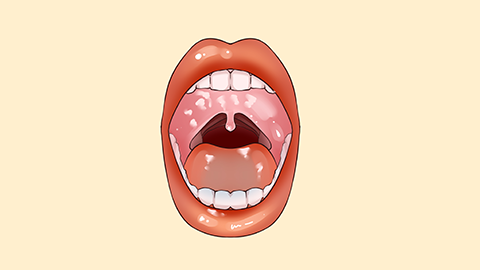
In cases of tonsillar carcinoma or tonsillar lymphoma, tumor resection—typically via surgery—is performed, followed by adjuvant chemotherapy and/or radiotherapy.Tonsillar enlargement commonly results from pharyngeal infection and inflammatory stimulation. A decline in immune function increases susceptibility to bacterial or viral invasion, leading to bilateral tonsillar swelling, local hyperemia, formation of purulent exudates or cryptic debris, sore throat, and dysphagia.
Prompt treatment of tonsillar swelling is essential. In daily life, consume light, heat-clearing foods rich in vitamins, protein, and calcium—such as fruits and vegetables—and drink plenty of water. Maintain oral hygiene through regular gargling and toothbrushing. Avoid smoking, alcohol, and spicy or irritating foods. Keep indoor temperature and humidity at comfortable levels to prevent tonsillar swelling and inflammation triggered by dry environments. We hope this article has been helpful. Wishing you a joyful life and good health!


