


What Causes Gagging in a 4-Month-Old Baby?

Infants often experience various urgent situations during early infancy—such as dry heaving—which is most commonly caused by improper feeding posture. Excessive parental anxiety during feeding can also contribute, impairing the infant’s digestion. However, many mothers are first-time parents and lack sufficient understanding of dry heaving. So, what causes dry heaving in a four-month-old baby?
What Causes Dry Heaving in a Four-Month-Old Baby?
Dry heaving in four-month-old infants may be associated with indigestion, gastrointestinal dysfunction, or pharyngitis. Due to immature gastrointestinal development, infants at this age are prone to indigestion. When indigestion occurs, delayed gastric emptying places pressure on the gastric wall, triggering dry heaving. Slowed intestinal motility further impairs digestion and may also lead to dry heaving. Some infants have compromised immune function—particularly during upper respiratory tract infections—which can predispose them to pharyngitis and subsequent dry heaving. When dry heaving occurs, consider reducing feeding frequency and encouraging increased fluid intake to help alleviate inflammation.

Treatment options include modifying feeding habits, ensuring adequate hydration, and administering medications when necessary. Gastroesophageal reflux is another common cause: in infants, the lower esophageal sphincter (between the esophagus and stomach) is relatively lax, while the pylorus (between the stomach and duodenum) is comparatively narrow—making it easy for air and gastric contents to flow back into the esophagus. Feeding smaller, more frequent meals—and prioritizing breastfeeding—can help alleviate symptoms. If symptoms persist, intravenous or oral rehydration therapy may be required. For chronic pharyngitis in a four-month-old, pharmacological treatment under medical supervision is recommended.
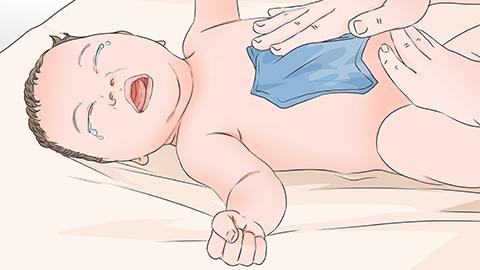
If the infant’s condition worsens, prompt medical evaluation and treatment are essential. Gentle abdominal massage may also provide supportive relief. We hope this information proves helpful.


