


What causes morning coughing and dry heaving?

Upon waking in the morning, the patient experiences coughing and dry heaving. This symptom warrants special attention, as it may indicate an underlying medical condition. So, what causes morning coughing and dry heaving?
What Causes Morning Coughing and Dry Heaving?
Morning coughing and dry heaving are commonly triggered by pharyngitis or consumption of spicy foods. It is important to eliminate potential irritants—such as those affecting the esophagus or blood vessels—and ensure adequate nutrition and restful sleep. Avoid spicy and cold foods; limit smoking and abstain from alcohol. Increase intake of light, bland vegetables. Over-the-counter medications may be used to suppress coughing, resolve phlegm, clear heat, and detoxify. Alternatively, appropriate traditional Chinese herbal remedies can be employed for heat-clearing, detoxification, and recuperation, while ensuring sufficient sleep. Refrain from consuming raw or cold foods—especially in humid environments—and avoid overly greasy foods, particularly seafood, hotpot, and barbecued dishes.
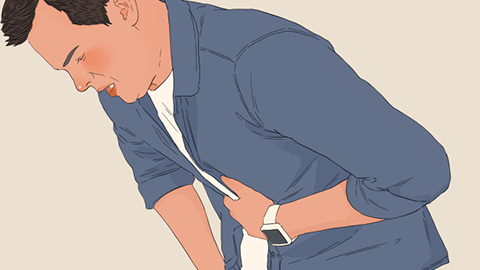
Avoid excessive intake of spicy and sour foods, as these are especially harmful to the stomach. The spleen and stomach prefer warmth and dryness, and dislike cold; thus, cold beverages and ice cream should also be avoided. Meals should be served warm—even during hot summer months. Compounds in green tea possess soothing properties, making moderate consumption advisable. A balanced diet must include a variety of vegetables and fruits. Vegetable skins and fruit peels contain abundant dietary fiber, which may be consumed in moderation; however, excessive intake may impair digestion. Melons and fruits, being relatively easier to digest, may be consumed more freely.
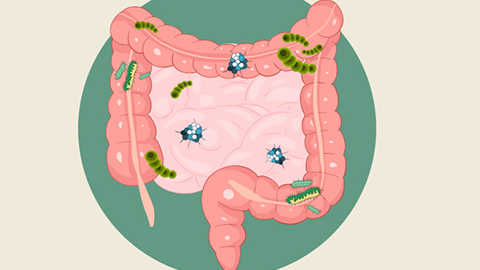
Patients may benefit from nourishing soups such as pear syrup, loquat and licorice decoction, or fritillary bulb–pear soup. If symptoms worsen or persist, prompt medical evaluation and treatment at a hospital are essential. We hope this information is helpful. Wishing you good health!


