


What Causes Nosebleeds in a 10-Year-Old Girl?

It is widely known that nosebleeds in children are relatively uncommon. If a child experiences a nosebleed, it often signals an underlying health issue. So, what could cause nosebleeds in a 10-year-old girl?
Causes of Nosebleeds in a 10-Year-Old Girl
Nosebleeds in a 10-year-old girl may result from injury to the nasal mucosa—a common occurrence in children. Alternatively, they may stem from coagulation disorders or other related hematologic conditions. Nasal mucosal injury can be triggered by dry weather, the presence of dry nasal crusts, or habitual inappropriate behaviors such as frequent nose-rubbing. To help prevent nosebleeds, consider using a humidifier to maintain optimal environmental humidity and keep the nasal mucosa moist. Each evening before bed, gently irrigate the nasal passages with normal saline or isotonic seawater spray to soften and remove dry crusts and maintain local moisture.
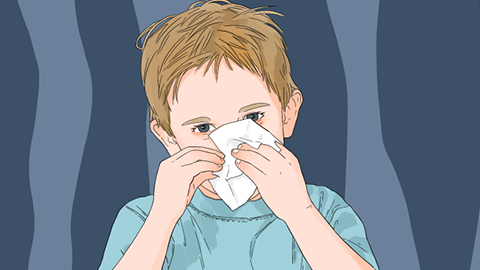
If the nasal mucosa becomes excessively dry, a thin layer of erythromycin ointment may be applied to the inner nasal walls to reduce local inflammation and retain moisture. Additionally, comprehensive evaluation—including complete blood count (CBC), targeted functional testing, coagulation factor activity assays, and other coagulation studies—should be performed to assess whether an underlying coagulopathy exists. If diagnosed, appropriate treatment must be initiated promptly.

Prevention plays a key role in reducing nosebleed episodes. Parents should encourage their children to consume ample fruits and vegetables to ensure adequate vitamin intake. Offering fresh fruit or vegetable juices is also beneficial. Avoid feeding children overly spicy or irritating foods. We hope this article has been helpful. Wishing you a joyful life and good health!


