


What Causes Dry Heaving in Infants and Young Children?

During infancy, the body’s immune resistance is relatively weak, making infants prone to various health issues. In addition to common colds and fevers, gastrointestinal discomfort—such as dry heaving—may also occur. Although dry heaving is quite common, parents often feel concerned when it happens in their infant. So, what causes dry heaving in infants and young children?
What Causes Dry Heaving in Infants and Young Children
The primary consideration for infant dry heaving is overstimulation—such as excessive excitement, crying, or vigorous play. Following such overexertion, a temporary reduction in throat secretions may occur, representing a normal physiological response. Symptoms typically subside gradually once the infant calms down, requiring no specific treatment. Dry heaving in infants may also result from upper respiratory tract infections (URTIs), wherein bacterial or viral infections cause throat swelling, pain, and cyanosis. Parents are advised to promptly take their child to a hospital, where a qualified physician can perform a thorough examination and provide an accurate diagnosis. Subsequently, parents should follow the physician’s guidance for targeted pharmacological treatment. Avoid self-medicating; ensure all medications administered to the infant are safe and appropriate.

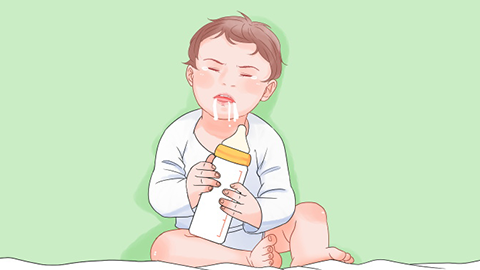
Improper feeding is another common cause of infant dry heaving. For instance, many first-time mothers—lacking experience—may overfeed their babies out of fear that the infant is hungry. Overfeeding can cause significant discomfort and trigger dry heaving. Additionally, during autumn and winter, when ambient humidity is low, insufficient water intake may lead to throat dryness in infants, predisposing them to dry heaving.
Parents should offer infants small amounts of warm water regularly and closely monitor for any signs of illness. If symptoms suggestive of disease appear, timely medical evaluation and treatment are essential. We hope this information proves helpful.


