


What should be done for an 8-year-old child with enlarged tonsils?

A friend’s child is now eight years old. Recently, it was discovered that the child has enlarged tonsils and frequently complains of sore throat. The parent consulted about appropriate treatment options—so, what should be done for an eight-year-old with tonsillar hypertrophy?
Management of Tonsillar Hypertrophy in Eight-Year-Olds
Tonsillar hypertrophy in eight-year-olds can be managed through regular monitoring, medical therapy, or surgical intervention—depending on the severity of enlargement and associated clinical symptoms. Regular monitoring: If the tonsillar enlargement is mild and the child is asymptomatic, this is likely physiological tonsillar hypertrophy, which typically requires no specific treatment. Instead, periodic follow-up examinations are recommended. In many children, the tonsils gradually shrink with age.
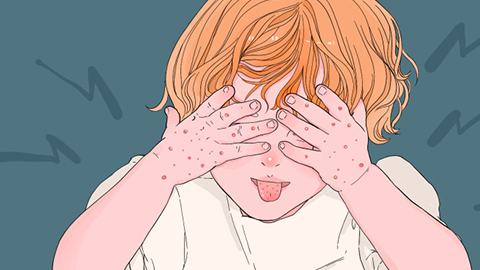
Some children with tonsillar hypertrophy exhibit related clinical symptoms, such as snoring during sleep, mouth breathing, a sensation of a foreign body in the throat, or dysphagia (a feeling of obstruction while swallowing). These signs suggest chronic tonsillitis and may coexist with chronic pharyngitis. In such cases, traditional Chinese patent medicines for chronic pharyngitis may be considered, along with nebulized budesonide suspension therapy. If acute tonsillitis develops—characterized by sore throat and fever—oral antibiotics (e.g., amoxicillin-clavulanate potassium tablets) are indicated for anti-inflammatory treatment.

Surgical intervention (i.e., tonsillectomy) is recommended if the child exhibits the aforementioned clinical symptoms or experiences recurrent episodes of tonsillitis (e.g., ≥7 episodes per year, ≥5 episodes per year for two consecutive years, or ≥3 episodes per year for three consecutive years). We hope this information proves helpful!


