


Can I breastfeed if I have tonsillitis?

In daily life, tonsillitis is a very common condition—especially among individuals with weakened immunity, who are particularly prone to recurrent episodes. For example, new mothers (“mamas”) are highly susceptible. So, can a mother continue breastfeeding while suffering from tonsillitis?
Can a mother breastfeed while experiencing tonsillitis?
If the mother has no fever during her tonsillitis episode, she may continue breastfeeding. Breastfeeding is also generally permissible if her body temperature remains below 38°C (100.4°F). During tonsillitis, it is advisable to consume fresh fruits and vegetables, white radish, or freshly squeezed pomegranate juice—all of which may help alleviate symptoms and support recovery. However, if the fever exceeds 38.5°C (101.3°F), pharmacological treatment is recommended. While undergoing medication, breastfeeding must be temporarily suspended, as certain drugs may pass into breast milk and potentially affect the infant. In mild cases—without drug therapy or other complications—breastfeeding is usually safe and unlikely to cause significant issues. However, in severe cases requiring medication, it is best to discontinue breastfeeding temporarily. Infants have relatively immature immune systems, making them more vulnerable to cross-infection, especially via respiratory routes.
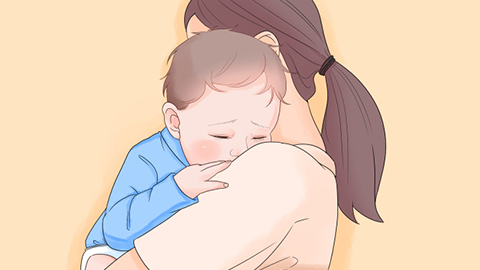
Tonsillitis during lactation can be treated with medications, including oral traditional Chinese patent medicines or herbal formulas with heat-clearing and detoxifying properties. Begin with a low dose and monitor the infant’s bowel movements; if stool remains normal, the dosage may be cautiously increased. For moderately severe symptoms, oral cephalosporins or penicillin-class antibiotics may be prescribed. In cases of severe tonsillitis accompanied by high fever, intravenous administration of cephalosporins or penicillin-class antibiotics may be necessary.

Maintain a light, bland diet during recovery—avoid spicy or irritating foods—and consider drinking mung bean soup to clear internal heat and reduce inflammation, thereby helping prevent recurrent tonsillitis. We hope this information proves helpful. Wishing you good health and happiness!


