


Could lower back pain, nausea, and headache indicate pregnancy?

In daily life, almost everyone experiences discomfort symptoms such as headache and nausea. However, in many cases, these symptoms do not last long and resolve spontaneously. Nevertheless, some individuals experience them frequently yet remain unaware of the underlying cause. So—could lower back pain, nausea, and headache indicate pregnancy?
Are lower back pain, nausea, and headache signs of pregnancy?
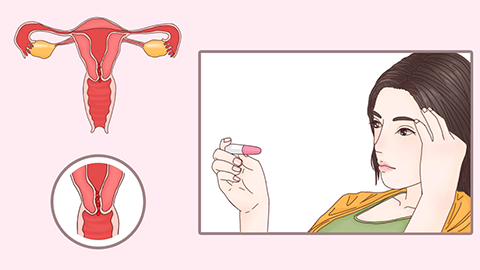
Lower back pain, nausea, and headache alone cannot confirm pregnancy. A key indicator of pregnancy is the absence of menstruation for more than two weeks. To determine whether pregnancy has occurred, one may undergo abdominal ultrasound at a hospital, use a home pregnancy test, or have blood drawn to measure human chorionic gonadotropin (hCG) and progesterone levels. These diagnostic methods can effectively confirm or rule out pregnancy; however, there is no direct or necessary link between lower back pain and headache.

Prolonged sitting or frequent use of mobile phones and computers may lead to lower back pain, dizziness, and nausea. These symptoms may also stem from urinary system disorders, such as urethritis, cystitis, or ureteral stones. If left untreated, patients may develop lower back pain, dizziness, and nausea; some may also experience urinary frequency and urgency. Medical evaluation—including urinary system ultrasound or CT scan—is recommended; in certain cases, angiography may also be necessary. If ureteral stones are confirmed, treatment under a physician’s guidance may include medications to facilitate stone passage. In severe cases, surgical intervention may be required. During recovery, patients should increase fluid intake and avoid prolonged sitting.
Adopting healthy lifestyle habits in daily life is essential. We hope this information proves helpful to you.


