


Can you feel nauseous one week after conception?

A woman’s body undergoes significant changes after conception. Therefore, when a woman who is trying to become pregnant experiences symptoms such as nausea, loss of appetite, fatigue, and excessive sleepiness, she should consider the possibility of pregnancy. Nausea is a highly characteristic early pregnancy symptom, and many women rely on it to self-assess whether they are pregnant. So—can nausea occur just one week after conception?
Can nausea occur one week after conception?
Nausea or vomiting (morning sickness) typically does not appear as early as one week after conception. If a woman experiences vomiting at this stage, it is more likely attributable to other medical conditions. Generally, early pregnancy symptoms—including nausea—begin around six weeks after the last menstrual period (LMP). Some women may experience severe vomiting, but not all will develop this symptom. A small number may notice nausea or vomiting as early as four or five weeks after their LMP; however, it is extremely uncommon for such symptoms to manifest within just seven days after conception. If a woman feels nauseous or vomits on day seven post-conception, she should consult a healthcare provider to rule out other potential causes or underlying illnesses. Early pregnancy symptoms vary widely among individuals; their absence does not indicate abnormal fetal development.
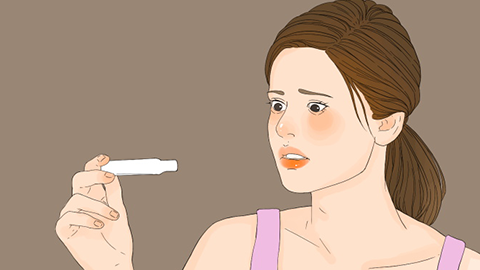
Nausea and vomiting during pregnancy are very common and usually pose no serious threat to maternal health. Pregnant women generally need not feel overly anxious; instead, they should maintain a positive emotional state and ensure adequate rest. However, in cases of severe vomiting—especially if food is being expelled—caution is warranted. For those experiencing frequent or intense nausea and vomiting, dietary adjustments are recommended: opt for light, palatable, and easily digestible foods such as congee (rice porridge), soda crackers, steamed eggs, fish, and fresh fruits. Eating smaller, more frequent meals—and avoiding overeating—is essential. Pregnant women may also benefit from appropriate vitamin supplementation. Sufficient rest is crucial; poor sleep quality can itself contribute to dizziness and nausea.

Pregnant women should avoid overexertion. In cases of severe vomiting, short-term use of antiemetic medication may be considered—but only under the guidance and approval of a physician. We hope this information is helpful to you.


