


Can taking progesterone tablets cause nausea?

Once a woman becomes pregnant, her hormonal levels undergo significant changes, which may trigger various physical responses. One of the most common early pregnancy symptoms is morning sickness, which includes nausea and vomiting—especially in more severe cases. These symptoms are entirely normal. So, does taking progesterone tablets cause nausea?
Can taking progesterone tablets cause nausea?
Yes, taking progesterone tablets can cause nausea. This is a gastrointestinal side effect, as dydrogesterone tablets belong to the class of progestogen medications, primarily used to regulate menstruation or supplement progesterone. Their most common adverse effects involve the gastrointestinal tract, including nausea, acid reflux, and upper abdominal bloating. In such cases, supplementation with certain vitamins—such as vitamin B6—may be appropriate. Always follow your physician’s instructions when taking prescribed medications; if you experience discomfort, seek medical attention promptly.
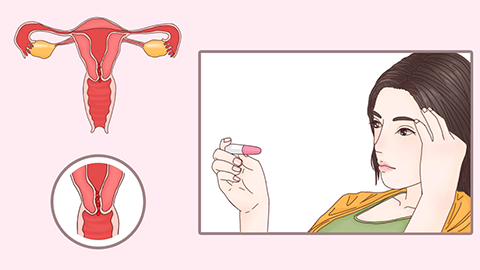
Progesterone tablets—including dydrogesterone, micronized progesterone (progesterone α), and other forms of progesterone—are commonly prescribed. These medications may irritate the gastrointestinal mucosa, leading to nausea and dry heaving after administration. Individuals with pre-existing gastritis or those who are particularly underweight may be more prone to vomiting following intake. Therefore, it is recommended to take these tablets approximately one hour after a meal to minimize gastrointestinal irritation and reduce nausea and vomiting. If these symptoms severely interfere with normal eating, discontinue use and consult your healthcare provider.
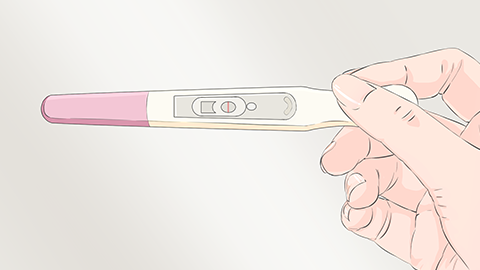
In daily life, maintain regular, balanced meals—avoid spicy, irritating, or overly rich foods, and refrain from binge eating or staying up late. We hope this information proves helpful to you.


