


Is nausea and vomiting in the late stage of pregnancy normal?

This condition is believed to be caused by improper diet and falls under the category of gastritis. In such cases, it is advisable to drink plenty of boiled water, consume easily digestible foods, and avoid raw, cold, or spicy foods. If possible, it is best to visit a hospital for examination, practice proper self-care, and ensure adequate rest. Then, is nausea and vomiting during late pregnancy normal?
Is nausea and vomiting during late pregnancy normal?
Nausea and vomiting during late pregnancy are not normal. They may arise from digestive system disorders—such as indigestion—or acute gastroenteritis, overeating, consuming excessively greasy or hard-to-digest foods, fried or barbecued foods, or raw and cold fruits, all of which can irritate the gastric mucosa, leading to gastric pain, nausea, and vomiting. During the second and third trimesters, hypertension may elevate intracranial pressure, resulting in nausea, vomiting, headache, and dizziness.
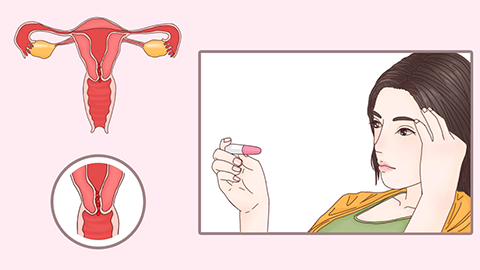
If nausea and vomiting occur, a comprehensive medical evaluation should be conducted to determine the underlying cause, followed by appropriate symptomatic treatment. Hormonal fluctuations during late pregnancy, uterine enlargement compressing the gastrointestinal tract, or reduced gastrointestinal motility may also contribute to nausea and vomiting. These symptoms are generally considered physiological and do not require specific treatment. However, pregnant women in the late stage should remain vigilant for pregnancy-induced hypertension syndrome or other concurrent conditions.
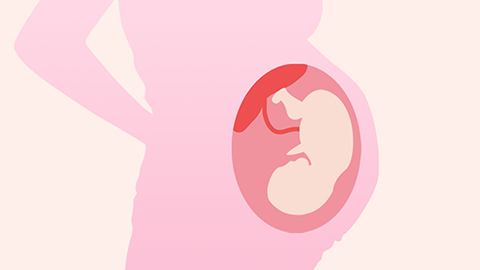
Dietarily, emphasis should be placed on easily digestible foods, with smaller, more frequent meals, along with appropriate physical activity. We hope this response proves helpful to you.


