


What causes dizziness and nausea at eight weeks of pregnancy?

Many women experience dizziness during pregnancy; in severe cases, syncope (fainting) may even occur. This symptom may result from early pregnancy reactions or could indicate underlying pathological conditions requiring prompt attention to avoid adverse effects on fetal development. So, what causes dizziness and nausea at eight weeks of pregnancy?
What Causes Dizziness and Nausea at Eight Weeks of Pregnancy?
Dizziness and nausea at eight weeks gestation are commonly attributable to abnormal blood pressure or early pregnancy symptoms. During early pregnancy, some women develop hypotension—blood pressure readings as low as 90 mmHg systolic and 60 mmHg diastolic—below the normal upper and lower limits, respectively. Such low blood pressure may compromise cerebral perfusion, particularly when posture changes abruptly—for example, transitioning rapidly from a squatting to a standing position—which can trigger immediate dizziness or vertigo. Pregnant women in the second and third trimesters should engage in regular physical exercise to help improve hypotension. It is advisable to move slowly and avoid sudden postural shifts. Early pregnancy symptoms vary among individuals: some experience nausea and vomiting, while others report dizziness, fatigue, and excessive sleepiness. Typically, these symptoms gradually subside naturally after the first trimester (around 12 weeks), without specific medical intervention. In certain cases, dizziness may be induced by medications such as progesterone or dydrogesterone; symptoms usually resolve upon discontinuation of the drug.

Dizziness and nausea in pregnant women can often be alleviated through simple measures such as eating small, frequent meals, resting in a supine position for a short period, or applying a warm towel to the forehead or neck. These symptoms are common during pregnancy and primarily stem from hormonal fluctuations. To prevent dizziness and nausea, expectant mothers should maintain emotional stability, avoid excessive anxiety or stress, consume light, easily digestible foods, and increase intake of iron-rich foods. Pregnant women should refrain from self-administering supplements or tonics without medical guidance, as these may adversely affect maternal health. Always follow physician recommendations and attend scheduled prenatal check-ups.
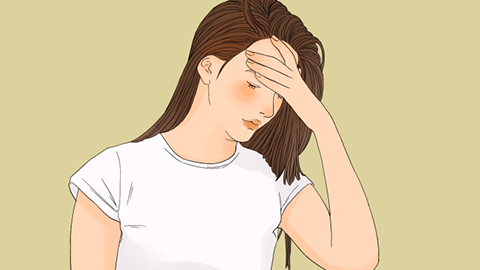
When dizziness and nausea occur during pregnancy, timely medical consultation is essential. Medications should only be used under strict physician supervision. We hope this information has been helpful.


