


Nausea and vomiting at 30 weeks of pregnancy
Aug 24, 2022
Source: Cainiu Health

Dr. Lv Aiming
Introduction
Nausea and vomiting in women at 30 weeks of gestation are primarily caused by poor dietary habits and gastric inflammation. Consumption of unhygienic foods should be avoided, as this may significantly increase the gastrointestinal burden, leading to gastric inflammation or infection. The indiscriminate use of certain antibiotics should also be avoided, as it may adversely affect normal fetal growth and development. When nausea and vomiting are severe…
In daily life, people sometimes experience nausea and vomiting, which can be quite uncomfortable. When such symptoms occur, it is essential to seek appropriate treatment promptly. So, what about nausea and vomiting at 30 weeks of pregnancy?
Nausea and Vomiting at 30 Weeks of Pregnancy
Nausea and vomiting in women at 30 weeks’ gestation are primarily caused by poor dietary habits and gastric inflammation. It is important to avoid consuming unhygienic or contaminated foods, as these may significantly increase the gastrointestinal burden and lead to gastric inflammation or infection. The indiscriminate use of antibiotics should also be avoided, as this may adversely affect the fetus’s normal growth and development. When nausea and vomiting become severe, vitamin B6 supplementation may help alleviate symptoms. Moreover, prolonged nausea and vomiting can result in inadequate nutrient intake; in such cases, intravenous fluid administration may be necessary to maintain hydration and electrolyte balance.
Pregnant women experiencing nausea and vomiting should adhere to a light, easily digestible diet. Overeating should be avoided; instead, smaller, more frequent meals are recommended. Consuming plain yogurt in moderation may also be beneficial. In daily life, incorporating appetite-stimulating foods—or simply enjoying favorite, well-tolerated foods—can help. Additionally, including alkaline-rich foods in the diet may help reduce the severity of nausea and vomiting during pregnancy.
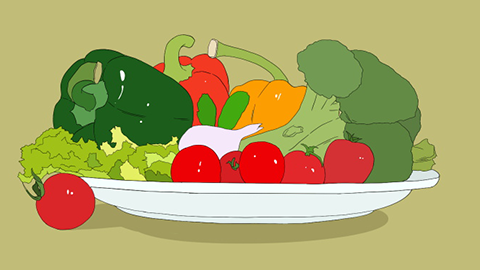
Pregnant women should maintain a light diet and ensure adequate rest—avoiding late-night activities or sleep deprivation. We hope this information proves helpful to you.




