


Can eating mulberries cause nosebleeds?

Mulberries offer numerous health benefits to the human body. Consuming mulberries can nourish the liver and kidneys, and may also help alleviate symptoms such as palpitations and insomnia. But can eating mulberries cause nosebleeds?
Can eating mulberries cause nosebleeds?
Excessive consumption of mulberries may lead to “heatiness” (a traditional Chinese medicine concept referring to internal heat), potentially resulting in nosebleeds. Mulberries are considered a cooling food with properties that benefit the liver and kidneys, promote fluid production and moisten the intestines, darken hair and improve vision, quench thirst, detoxify, and enhance skin health. When consumed in moderation, they do not cause “heatiness.” It is generally recommended to eat 20–30 mulberries per day. However, mulberries contain hemolytic allergens and hyaluronic acid; overconsumption may trigger nosebleeds. Therefore, please consume them in moderation and avoid excessive intake.
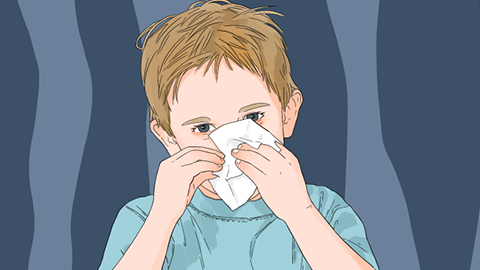
Some individuals may experience allergic reactions after consuming mulberries. Overeating mulberries may cause diarrhea, facial flushing, and itching or swelling in the ears, nasal passages, inner eyelids, and pharynx. Unripe mulberries should never be consumed. Due to their hemolytic allergens and hyaluronic acid content, excessive intake may induce hemolytic enteritis. Adolescents should limit mulberry consumption. Mulberries contain high levels of tannins—potent trypsin inhibitors—which interfere with the absorption of essential minerals such as iron, calcium, and zinc. Individuals with spleen deficiency and loose stools should avoid mulberries altogether. Moreover, due to their high sugar content, mulberries are contraindicated for people with diabetes.

If nosebleeds occur after consuming mulberries, further intake should be discontinued immediately. To counteract “heatiness,” patients may increase consumption of apples, oranges, kiwifruit, and vegetables. We hope this article has been helpful. Wishing you a joyful life and good health!


