


What Causes Nosebleeds in Two-Year-Old Children?

Nosebleeds (epistaxis) are a common and distressing issue many people experience—especially young children. When a nosebleed occurs, most parents’ immediate instinct is to stop the bleeding. But what causes nosebleeds in a two-year-old?
What Causes Nosebleeds in Two-Year-Olds?
Nosebleeds in toddlers aged around two years can stem from numerous causes. The most common include:
1. Systemic diseases—such as leukemia, hemophilia, aplastic anemia, chronic hypertension, or heart disease—may manifest with epistaxis.
2. Local nasal factors—including chronic rhinitis, allergic rhinitis, deviated nasal septum, or nasal fibromas—can lead to recurrent nasal bleeding.
3. Nasal trauma, such as nose-picking or external injury, as well as environmental factors like hot, dry weather or local mucosal irritation, may also trigger bleeding.
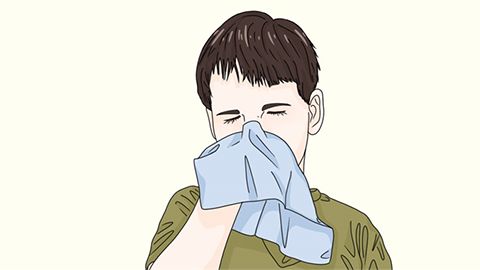
If a nosebleed occurs, parents should lay the child flat on their back with the head tilted slightly to one side to allow blood to drain safely out of the nose—preventing aspiration into the airway and potential choking. Alternatively, they may hold the infant upright with the head and body aligned horizontally and the head gently tilted to one side to facilitate drainage.

If the nosebleed persists despite initial measures, prompt medical evaluation is essential. A thorough assessment—including nasal endoscopy, complete blood count (CBC), sinus CT scan, blood pressure measurement, and cardiac evaluation—will help identify the underlying cause. Once a specific bleeding site is identified, targeted local hemostatic treatment may be performed. Addressing the primary condition effectively reduces the risk of recurrence. We hope this information is helpful. Wishing you good health and happiness!


