


What should I do if my tonsils are inflamed and blistering?

During tonsillitis, patients may experience tonsillar enlargement, and sometimes blisters may form on the tonsils. What should be done if blisters appear during tonsillitis?
What to Do When Blisters Appear During Tonsillitis
The appearance of blisters on the tonsils indicates a severe case of tonsillitis; thus, anti-inflammatory and analgesic therapy is the first step in treatment. To eliminate the blisters forming on the tonsils, cephalosporin- or penicillin-class antibiotics may be administered, combined with traditional Chinese herbal medicine (TCM) for clearing heat, detoxifying, and soothing the throat—delivered via nebulization. In severe or refractory cases, surgical tonsillectomy may be necessary. Tonsillitis poses significant harm to the pharynx; therefore, individuals should proactively adopt daily measures to protect pharyngeal health and prevent recurrent episodes.
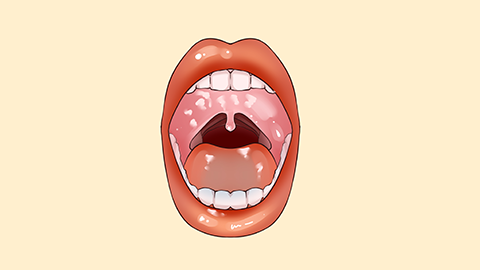
Most cases of tonsillitis are caused by infection with beta-hemolytic streptococcus; therefore, penicillin- or cephalosporin-class antibiotics—such as amoxicillin-clavulanate potassium or cefprozil—are commonly prescribed. Oral administration of heat-clearing, detoxifying, and throat-soothing TCM preparations—e.g., Yinhuang Granules—can help control inflammation.
If fever accompanies tonsillitis, intravenous antibiotic infusion combined with glucocorticoid nebulization may be required. For recurrent tonsillitis, tonsillectomy may be considered 2–3 weeks after successful inflammation control. Additionally, patients with tonsillitis often concurrently experience symptoms of pharyngitis; therefore, distinguishing between tonsillitis and pharyngitis is essential. We hope this article has been helpful. Wishing you a joyful life and good health!


