


What causes unilateral tinnitus?
Aug 24, 2022
Source: Cainiu Health

Dr. Xu Gang
Introduction
Unilateral tinnitus has numerous potential causes. Common ones include cerumen impaction and foreign bodies in the external auditory canal, as well as inflammatory conditions—such as acute otitis media or acute otitis externa. In some patients, it may result from neoplastic diseases, including acoustic neuroma, nasopharyngeal carcinoma, middle ear carcinoma, or external auditory canal carcinoma. Additionally, sudden sensorineural hearing loss can also cause unilateral tinnitus.
Tinnitus is the result of diverse pathological changes associated with numerous disorders affecting the auditory system. Its etiology is complex and its underlying mechanisms remain incompletely understood. Clinically, tinnitus is characterized by the perception of sound—either in the ear or in the brain—in the absence of any corresponding external acoustic stimulus or electrical stimulation. So, what causes unilateral tinnitus?
What Causes Unilateral Tinnitus?
Unilateral tinnitus has many potential causes. Common ones include cerumen impaction and foreign bodies in the external auditory canal, as well as inflammatory conditions—for example, acute otitis media or acute otitis externa. In some patients, it may stem from neoplastic diseases, such as acoustic neuroma (vestibular schwannoma), nasopharyngeal carcinoma, middle ear carcinoma, or external auditory canal carcinoma. Additionally, sudden sensorineural hearing loss can also present with unilateral tinnitus. The specific cause and severity of the condition vary significantly among individuals.
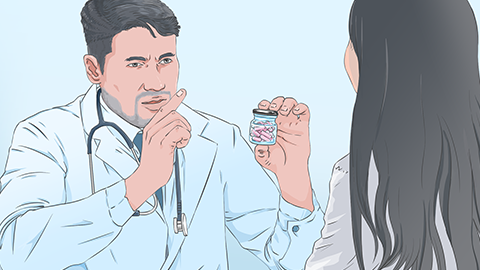
For patients with tinnitus, the first priority is active treatment of the underlying disease responsible for the tinnitus. Second, avoid exposure to excessive noise. Refrain from prolonged use of headphones at high volumes. When working in environments with intense noise, wear appropriate hearing protection, such as ear muffs or earplugs. During exposure to sudden loud noises—for instance, fireworks—cover your ears with your hands. Use ototoxic medications cautiously; examples include streptomycin, gentamicin, and kanamycin. Avoid mental stress and physical exhaustion; minimize sleep deprivation, maintain a positive mood and sound mental state, and engage in regular, moderate physical exercise.

After symptom onset, patients are advised to consult an otolaryngologist (ENT specialist). Audiometric testing and otoscopic examination are typically performed. Some patients may require cranial magnetic resonance imaging (MRI). These auxiliary examinations—combined with the clinician’s experience—help determine the nature of the condition and establish a definitive diagnosis. We hope this information proves helpful. Wishing you good health and happiness!


