


What should I do if my 5-year-old child has tonsillitis with fever?

A neighbor’s 5-year-old child has developed tonsillitis over the past two days, accompanied by recurrent fever—causing great concern for the parents. What should be done when a 5-year-old child develops tonsillitis with fever?
What to Do When a 5-Year-Old Child Develops Tonsillitis with Fever
Recurrent fever in a 5-year-old with tonsillitis warrants prompt medical evaluation. Parents should take the child to a hospital for relevant diagnostic tests to identify the causative pathogen and initiate appropriate systemic antimicrobial therapy based on sensitivity results. During recovery, physical cooling methods—such as tepid sponge baths—may be used, along with adequate oral hydration. In cases of severe dehydration, intravenous or oral rehydration therapy may be necessary under medical supervision.
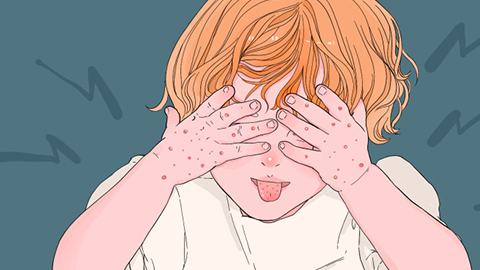
Recommendation: A child’s risk of tonsillitis is closely linked to daily environmental factors and dietary habits. Therefore, the child’s diet should consist of light, easily digestible foods. During dry weather, ensure adequate daily fluid intake; fresh fruit juice may be offered after meals.

Prompt treatment of tonsillitis in children is essential, as untreated or inadequately managed cases can adversely affect their health. Acute tonsillitis may lead to various complications, posing significant risks to pediatric health. Local complications include acute otitis media, rhinitis, pharyngitis, lymphadenitis, and peritonsillar abscesses. Systemic complications commonly include rheumatic fever, acute glomerulonephritis, sepsis, dermatologic disorders, myocarditis, and bronchial asthma—and may even progress to severe acute nephritis. In recurrent cases, tonsillectomy should be considered after infection control to prevent serious complications. We hope this information proves helpful!


