


Can you eat kumquats when you have tonsillitis?

My daughter experienced sore throat and swelling, and only after visiting a doctor was she diagnosed with tonsillitis. Among commonly consumed fruits, I’d like to know which ones are safe for her to eat—specifically, is it safe for someone with tonsillitis to eat kumquats?
Can patients with tonsillitis eat kumquats?
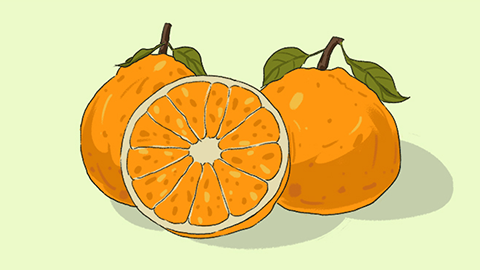
Yes, patients with tonsillitis may consume kumquats in moderation. Kumquats possess heat-clearing, detoxifying, and fire-pacifying properties, offering supportive therapeutic benefits for tonsillitis. They are rich in vitamin C, which helps boost the body’s resistance and immune function. Additionally, kumquats contain abundant trace elements and energy, meeting nutritional needs during illness. For patients experiencing severe throat pain that impairs chewing, drinking freshly squeezed kumquat juice may be a more suitable option.

During tonsillitis, patients should maintain appropriate dietary habits and avoid overeating at one time. After eating, thorough mouth rinsing is essential to prevent sugar residue from accumulating in the tonsillar crypts—a condition that may exacerbate infection. Clinically, tonsillitis requires comprehensive treatment, including anti-inflammatory and antimicrobial therapy. Maintaining good oral hygiene—such as gargling with warm saline solution—is also crucial.
Dietary recommendations for tonsillitis patients emphasize soft or liquid foods to minimize discomfort and pain during swallowing. Suitable options include egg drop soup, noodles, egg flower soup, whey protein, cabbage soup, pork rib soup, and spinach soup—all of which supply essential vitamins, proteins, and amino acids required for recovery. Liquid or semi-liquid meals are also easier to swallow. We hope this information proves helpful!


