


How is acute tonsillitis treated?

Acute tonsillitis is a nonspecific acute inflammatory condition, commonly affecting adolescents. So, how is acute tonsillitis treated?
How Is Acute Tonsillitis Treated?
Antibiotics are the mainstay of treatment for acute tonsillitis. Patients with mild disease may be treated with penicillin. For those with more severe disease—or whose symptoms fail to improve after penicillin therapy—second-generation cephalosporin antibiotics are recommended. The route of administration (oral or intravenous) and specific drug choice should be tailored according to the patient’s clinical condition. If local complications have developed—for example, peritonsillar abscess—third-generation cephalosporins should be administered intravenously.
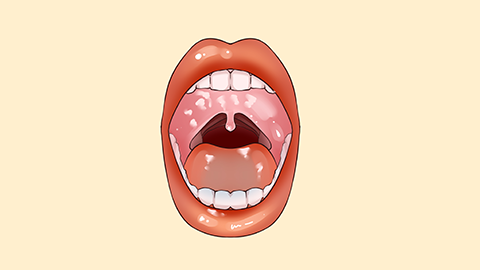
Surgical intervention—including tonsillectomy—may be indicated. In cases of peritonsillar abscess, incision and drainage are required. For recurrent episodes of acute tonsillitis, incision and drainage may also be performed. Alternatively, following adequate control of inflammation, tonsillectomy may be carried out directly. If fever is present—especially high-grade fever requiring physical cooling measures—nonsteroidal anti-inflammatory drugs (NSAIDs) may be prescribed to help reduce inflammation.
Upon onset of acute tonsillitis, patients should prioritize adequate rest and maintain a light, nutritious diet rich in fluids and dietary fiber, which aids in detoxification. During treatment, spicy or irritating foods should be avoided, and smoking and alcohol consumption must be discontinued. When high fever or dysphagia occurs, timely fluid and electrolyte replacement is essential to maintain hydration and electrolyte balance. We hope this article has been helpful. Wishing you a joyful life and good health!


